

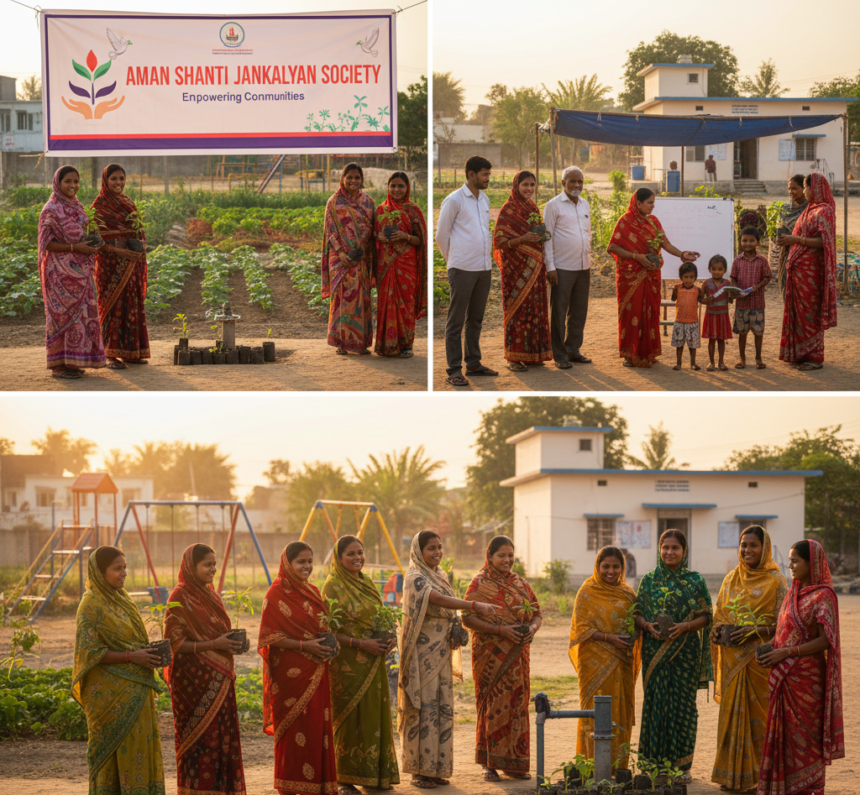
In a world often fragmented by differences, organizations that work tirelessly to weave the fabric of society back together are invaluable. One such entity making a significant, albeit quiet, impact is the Aman Shanti Jankalyan Society. The name itself, when translated, speaks to its core mission: “Aman” (Peace), “Shanti” (Tranquility), and “Jankalyan” (Public Welfare). This organization stands as a testament to the power of collective action aimed at fostering peace, ensuring well-being, and driving holistic community development.
While specific operational details can sometimes be found in formal directories like the one you attempted to access on D&B Business Directory, the true story of such a society is written in the lives it touches and the communities it uplifts. This blog post delves deep into the ethos, potential impact areas, and the profound importance of non-governmental organizations (NGOs) like the Aman Shanti Jankalyan Society in today’s socio-economic landscape.
Understanding the Core Mission: Peace and Public Welfare
At its heart, the Aman Shanti Jankalyan Society is driven by a philosophy that development cannot occur in a vacuum. True progress is multi-faceted, requiring simultaneous efforts in several key areas. For an organization with this name, the foundational pillars are likely:
-
Promoting Social Harmony (Aman & Shanti): In any diverse society, fostering understanding and peace between different groups is crucial. This involves community dialogues, cultural exchange programs, and initiatives that discourage discrimination and violence.
-
Enhancing Public Welfare (Jankalyan): This is the actionable part of the mission. It translates into ground-level projects focused on improving the quality of life for underprivileged sections of society. This typically includes access to basic necessities, education, and healthcare.
By combining these elements, the society aims not just for temporary relief, but for sustainable, long-term change that empowers individuals and strengthens the community from within.
Key Focus Areas of Aman Shanti Jankalyan Society
While the specific programs of this particular society may vary, organizations with a similar mandate typically concentrate their resources and efforts on a few critical sectors. Based on the name and common NGO activities in the region, here are the likely core focus areas:
1. Educational Initiatives for Underprivileged Children
Education is the most powerful tool for breaking the cycle of poverty. A society dedicated to public welfare invariably prioritizes learning. The Aman Shanti Jankalyan Society likely runs or supports several educational programs.
-
Non-Formal Education Centers: For children who cannot attend regular schools due to financial or social constraints, these centers provide basic literacy and numeracy skills, preparing them to either join the formal system or gain functional life skills.
-
Scholarship Programs: Providing financial assistance to meritorious students from low-income families to pursue higher education or vocational training.
-
Mid-Day Meal Schemes: In many parts of India, the simple promise of a nutritious meal is a huge incentive for parents to send their children to school regularly. The society might be involved in supporting such feeding programs, tackling both hunger and education simultaneously.
-
Digital Literacy: In the 21st century, access to technology is a must. The organization could be involved in setting up computer labs or providing tablets to students, bridging the digital divide.
2. Accessible Healthcare and Medical Camps
Good health is the foundation upon which individuals can build better lives. Recognizing this, the Aman Shanti Jankalyan Society would likely have a strong healthcare component.
-
General Health Camps: Organizing periodic health check-up camps in remote or underserved villages, offering consultations with general physicians, and distributing basic medicines free of cost.
-
Specialized Camps: Focusing on specific health issues prevalent in the community, such as eye check-up and cataract surgery camps, dental hygiene awareness, or sickle cell anemia screening in tribal areas.
-
Awareness on Hygiene and Sanitation: Conducting workshops on the importance of handwashing, safe drinking water, and menstrual hygiene management, especially among women and adolescent girls. This aligns perfectly with the “Swachh Bharat” mission.
-
Maternal and Child Health: Implementing programs focused on safe motherhood, proper nutrition for pregnant and lactating mothers, and immunization drives for infants and children.
3. Women Empowerment and Skill Development
Empowering a woman has a ripple effect that benefits her entire family and community. Therefore, dedicated programs for women are a hallmark of any progressive welfare society.
-
Self-Help Groups (SHGs): Forming and nurturing women’s SHGs to promote savings, provide micro-credit, and encourage entrepreneurial activities. This fosters financial independence and collective decision-making.
-
Vocational Training: Offering training in marketable skills such as tailoring, embroidery, beauty culture, computer basics, or food processing. This enables women to generate their own income.
-
Legal Awareness Camps: Educating women about their legal rights, including those related to domestic violence, property inheritance, and marriage, empowering them to seek justice when needed.
4. Environmental Conservation and Sustainability
The link between a healthy environment and community well-being is undeniable. The “Shanti” (peace/tranquility) aspect can also extend to living in harmony with nature. Likely initiatives could include:
-
Tree Plantation Drives: Organizing annual drives to increase green cover in and around communities.
-
Water Conservation: Working on projects to revive traditional water bodies, build check dams, or promote rainwater harvesting techniques to address water scarcity.
-
Waste Management Awareness: Educating communities on the importance of reducing, reusing, and recycling waste, and promoting practices like composting.
The Impact: How Societies Like This Change Lives
The work done by the Aman Shanti Jankalyan Society goes far beyond the immediate services provided. Its true impact is in the long-term transformation it catalyzes.
-
Breaking the Poverty Cycle: By educating a child, they equip that child to get a better job. By training a woman, they create a new income stream for a family. By providing healthcare, they ensure people can work and learn without being held back by illness.
-
Fostering Social Cohesion: In bringing people together for a common cause—be it a health camp or a tree plantation drive—the society builds bridges across different communities, fostering a sense of unity and shared purpose.
-
Giving a Voice to the Voiceless: NGOs often act as a crucial link between marginalized communities and the government, helping people access the schemes and benefits they are entitled to. They amplify the concerns of the poor and help hold authorities accountable.
-
Creating Role Models: When children from the community see their peers succeeding through the society’s programs, or when women become leaders of SHGs, it creates powerful local role models who inspire others to follow suit.
How You Can Support or Get Involved
The power of a non-profit lies in the support it receives from the community. If the mission of the Aman Shanti Jankalyan Society resonates with you, there are several ways to contribute:
-
Volunteer Your Time and Skills: Whether you are a teacher, a doctor, an accountant, or simply someone with a passion for helping others, your time and skills can be invaluable. You can help in conducting classes, managing accounts, or organizing events.
-
Make a Donation: Financial contributions, no matter how small, help sustain programs, pay for materials, and reach more people. Most organizations provide tax benefits for donations.
-
Spread the Word: Awareness is a powerful tool. Share information about the society’s work on your social media, talk about it with your friends and family, and help amplify their reach.
-
Partner with Them: If you represent a business or another organization, consider a corporate social responsibility (CSR) partnership. You can collaborate on projects that align with your company’s values and goals.
Conclusion
The Aman Shanti Jankalyan Society embodies the spirit of grassroots activism and compassionate service. In a country as vast and diverse as India, such organizations are the unsung heroes, working diligently to ensure that the benefits of progress reach the last person in the line. By focusing on the fundamental pillars of peace, health, education, and empowerment, they are not just providing aid; they are building a foundation for a more just, equitable, and harmonious society. Their work is a powerful reminder that when communities come together with a shared vision for the future, profound and lasting change is not just possible—it is inevitable.
Suggested Outbound Links (to be added within the blog text):
-
Link to a resource on Indian NGO regulations: When discussing how NGOs operate, you can link to a government or trusted legal site like India.gov.in or a specific page on the NITI Aayog’s NGO Darpan portal for readers wanting to verify NGO credentials.
-
Link to a UN Sustainable Development Goal (SDG): When discussing the impact areas, link the work to a relevant UN SDG page (e.g., SDG 4: Quality Education or SDG 3: Good Health and Well-being) to show how the society’s work aligns with global goals.
-
Link to an article on the importance of women’s Self-Help Groups: You can link to a reputable publication or a study that highlights the economic impact of SHGs in India, such as a report from the World Bank or an article from a major financial daily like The Hindu BusinessLine or Economic Times. (You would search for a relevant, authoritative article to link to).