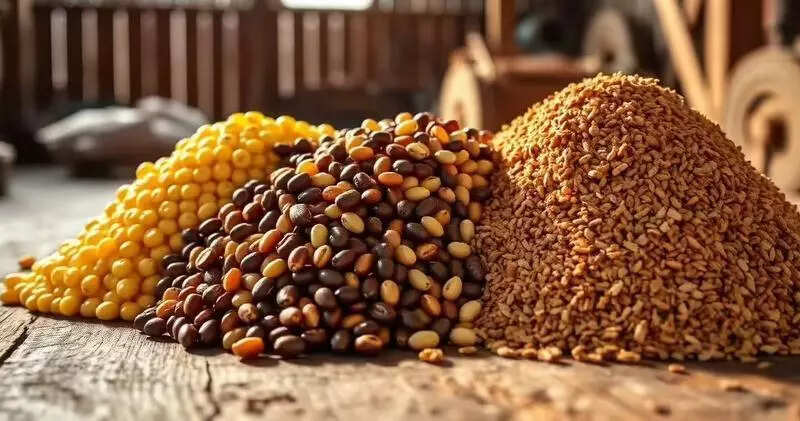
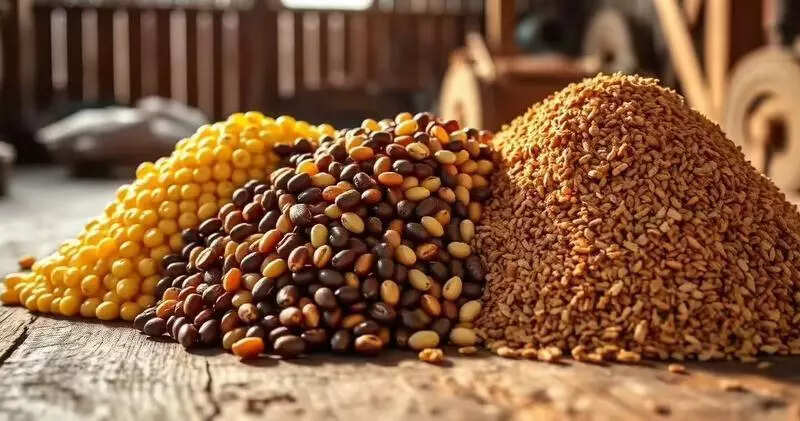
Bathinda: Eliminating or reducing tariffs on distiller dried grains with solubles (DDGS) for animal feed under India-US trade deal is under intense debate among agricultural experts and farmers. Allowing imports of DDGS by eliminating tariffs is being seen as like a backdoor entry for genetically modified (GM) products even as GM products except cotton are not commercially allowed in the country. Satbir Singh Gosal, vice-chancellor, Punjab Agriculture University, country’s premier agriculture university, also feels it (import of DDGS under lowest tariffs) as a cause of concern.DDGS is a high-protein, nutrient-rich byproduct of ethanol production, primarily used as a cost-effective, high-quality animal feed ingredient for poultry and cattle. It is prepared by drying the residue left after grain fermentation, containing concentrated protein, fiber, fat, and minerals.As per the key terms of the interim agreement between India and the United States, India will eliminate or reduce tariffs on a wide range of US food and agricultural products, including dried distillers’ grains (DDGs), red sorghum for animal feed, tree nuts, fresh and processed fruit, soybean oil, wine and spirits, and additional products.“Presently only BT Cotton (GM technology) is allowed for commercial production in the country. Even as field trials of GM Mustard and GM Brinjal had been conducted in the past under biosafety regulations and a lot of money has been spent in exploring possibilities for these agricultural products but these had not been allowed for commercial cultivation. Under such circumstances allowing import of DDGS with lowest tariffs may be seen as cause of concern as the US is into GM technology in various crops and with imports of DDGS we feel we will be allowing probable GM product,” said PAU VC Satbir Singh Gosal speaking to TOI on Saturday. Gosal feels it is beyond imagination that we are not ready to allow GM technology in the country despite vast studies but allowing GM products from the US, Canada, Australia or other countries.As far as GM technology crop is concerned, only BT cotton was allowed in 2002 when American Bollworm was impacting the cotton crop but we stayed away from any other GM crop. But at the same time we import canola which is cultivated in the US under GM technology and also import maize which is used for processed foods like corn flakes used as breakfast cereals. Even cottonseed oil produced from Bt cotton is derived from genetically modified Bt cotton plants. If DDGS is imported we feel it will be from GM technology. The developed countries claim that GM products are cultivated by clearing bio safety regulations but India has been saying no to this technology. Environmerntalists and agri experts and farmers argue that allowing DDGS even for animal feed violates the precautionary biosafety framework against Genetically Engineered (GE) organisms which will harm the interests of farmers into maize and soybean while also affecting poultry and dairy.“We had been opposing the GM crops in the country and allowing concessional DDGS is allowing GM technology through back door which is against the spirit of anti GM-free agriculture policy,” says Sanyukt Kisan Morcha farmer leader Jagmohan Singh.