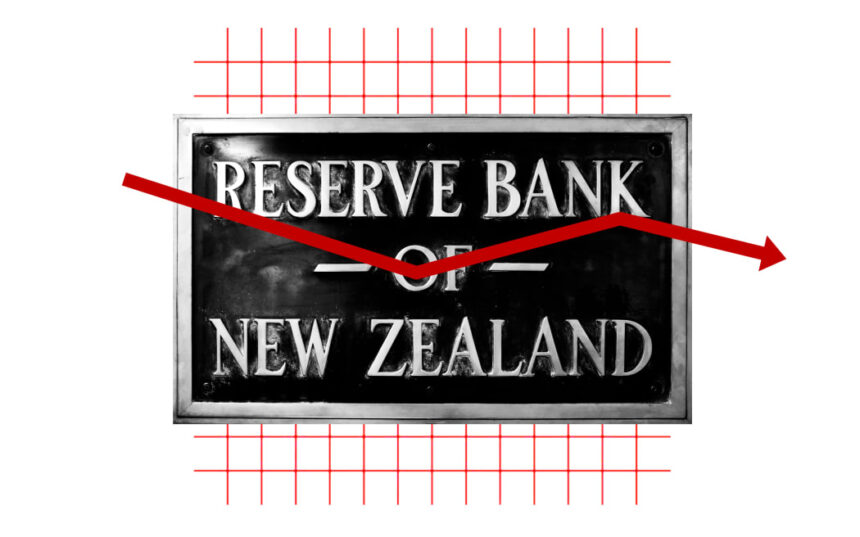

The review into the Reserve Bank was to identify key lessons, the government said. (File photo)
Photo: RNZ
The government is launching an independent review of the Reserve Bank’s response to the Covid-19 pandemic, due to be published just months out from the election.
The review – to be released in September – will focus on the central bank’s actions, including cutting the official cash rate to 0.25 percent and engaging in money printing.
It would also look at the coordination of monetary and fiscal policy – that is, how the bank’s response interacted with the government’s.
Finance Minister Nicola Willis said the review’s purpose was to identify any key lessons, in light of the associated spike in inflation and house prices.
“The Reserve Bank of New Zealand took unprecedented action in response to the Covid-19 pandemic,” she said.

Finance Minister Nicola Willis. (File photo)
Photo: RNZ / Nathan McKinnon
“These actions helped to preserve jobs and keep businesses afloat, but the indirect impacts included decades-high inflation, and losses of about $10.3 billion on the LSAP [Large Scale Asset Purchase] programme and a significant spike in asset values with house prices increasing 30 per cent in one year.”
In October, Reserve Bank chief economist Paul Conway told a Sydney investment conference the LSAP scheme, commonly referred to as money printing, had effectively paid for itself and helped the economy to function at a time of stress.
“By boosting economic activity during the pandemic, LSAPs increased government tax revenues,” Conway said.
“This higher revenue almost entirely covered the direct losses from LSAPs, leaving consolidated crown debt virtually unchanged over the medium term.”
Other commentators have strongly criticised the LSAP programme, the cost and the related programme of $19b of cheap loans to banks.
Monetary policy experts Athanasios Orphanides and David Archer have been appointed to carry out the independent review.
Orphanides was a former governor of the Central Bank of Cyprus and member of the Governing Council of the European Central Bank.
Archer was a former Reserve Bank assistant governor and former head of the Central Banking Studies Unit at the Bank for International Settlements.
Sign up for Ngā Pitopito Kōrero, a daily newsletter curated by our editors and delivered straight to your inbox every weekday.