The Curator independently decides what topics and products we feature. When you purchase an item through our links, we may earn a commission. Promotions and products are subject to availability and retailer terms.

If you live in Canada, winter mess isn’t a surprise–but that doesn’t make it any less exhausting.
You come home after a snowfall or a slushy day, and suddenly there are wet boots by the door, salty footprints on the floor, soggy mittens on the bench, and damp coats draped over anything that will hold them. Add kids, pets, hockey practice, skiing, shovelling, or even a quick walk around the block, and the mess multiplies fast.
The good news? You don’t need a bigger entryway or more cleaning. You need a better system for the moment you walk in the door. This is what I call the winter drop zone–and when it’s set up properly, it stops winter mess from spreading through your entire house. Here’s the step-by-step way to do it.
Scrape boots outside–before they go anywhere
Winter boots take a beating–from road salt, slush, mud, gravel, and everything in between. That grit doesn’t just look messy; it’s abrasive and damaging to both your floors and your footwear.

A sturdy boot scrubber gives you a place to deal with that mess immediately. Instead of tracking slush inside, you can scrub soles and knock debris off the sides of boots right at the door. This is just as useful after winter activities like shovelling the driveway, hiking snowy trails, gardening in early spring, or walking the dog on salty sidewalks.
By removing the bulk of the mess before boots enter the house, you dramatically reduce cleanup later–and your boots last longer too.
Wipe boots while they’re still damp to prevent salt stains
Those chalky white marks that show up on winter boots aren’t dirt–they’re salt residue left behind when moisture evaporates. Once they dry, they can permanently damage leather, suede, and fabric.

That’s why timing matters. Using boot and shoe cleaning wipes while boots are still damp lets you lift away salt and grime before it has a chance to set. It’s a quick step–literally seconds–but it makes a huge difference in how your boots look over the course of the season.
A small habit at the door can save you from having to replace footwear every year. You don’t need to do this on kids’ boots, but for the ones you’ve invested in and want to look great for years, this is the move.
Wet winter gear doesn’t magically dry on its own–especially in cold, closed-up homes. Leaving boots or gloves damp leads to odours, bacteria growth, and materials that break down faster over time.

A boot dryer solves this by pushing warm air through boots, gloves, liners, and even ski socks, drying them from the inside out. This is a game-changer for busy households where gear gets reused day after day. It’s especially useful after hockey practice, skiing, snowshoeing, sledding, or long days outside when everything comes home soaked.
You may also like:
63-Inch Console Table for Entryway – $149.39
Checkered Easy Jute Rug – $59.99
When gear dries properly, it smells better, feels better, and is actually ready for the next day–which reduces stress and last-minute scrambling. Hey, you can even use these to toast up your boots before heading out for the day!

Hang and separate coats, hats & mittens so they can dry
One of the biggest winter mistakes is piling wet coats and mittens on the floor, a chair, or a crowded hook. When items touch and overlap, moisture gets trapped–and that’s when musty smells and lingering dampness take over. Plus, they never seem to get dry.
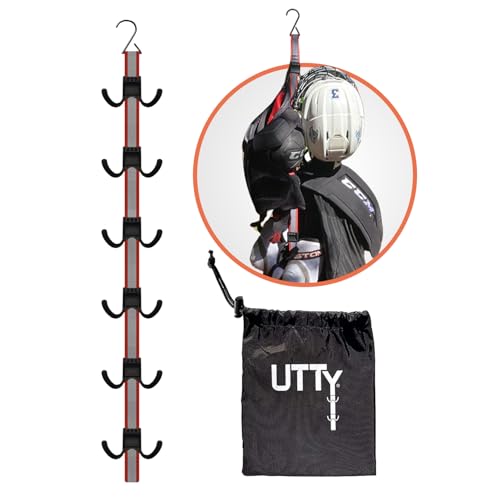
A multipurpose hanging gear drying rack creates space and airflow, allowing coats to dry from the hem up and hats, mittens and scarves to dry individually instead of staying clumped together. This is ideal for families, small entryways, or anyone dealing with bulky winter gear after a day outside.
It’s especially useful after hockey games, ski days, snow play, or even a long snowy commute, when multiple people come home with wet layers at the same time. When everything has a place to hang and dry, the whole entryway feels calmer and more manageable.
Remove lingering moisture from the space
Even when boots and coats are handled properly, winter moisture tends to hang around — especially in entryways, mudrooms, and cars. Damp mats, wet carpets, and foggy or icy windows are all signs that humidity is lingering.

A reusable moisture absorber quietly pulls excess moisture out of the air, helping prevent damp smells, condensation, and that constant “wet” feeling. Thinking beyond the front entryway, where this can easily be hidden in a basket, you can also pop one of these in the car, where wet boots and snow gear can make interiors feel permanently soggy all winter long. This step supports everything else you’re doing: scrape, wipe, dry, hang–and then let the air itself dry out too.
This step supports everything else you’re doing: scrape, wipe, dry, hang–and then let the air itself dry out too.
Winter is messy–that’s unavoidable. But letting that mess spread through your home isn’t. When you manage slush, salt, and wet gear right at the door, your house stays cleaner, your stuff lasts longer, and winter feels a whole lot more manageable.
You may also like:
Shoe Horn Long Handle – $15.99
© 2026 Global News, a division of Corus Entertainment Inc.