

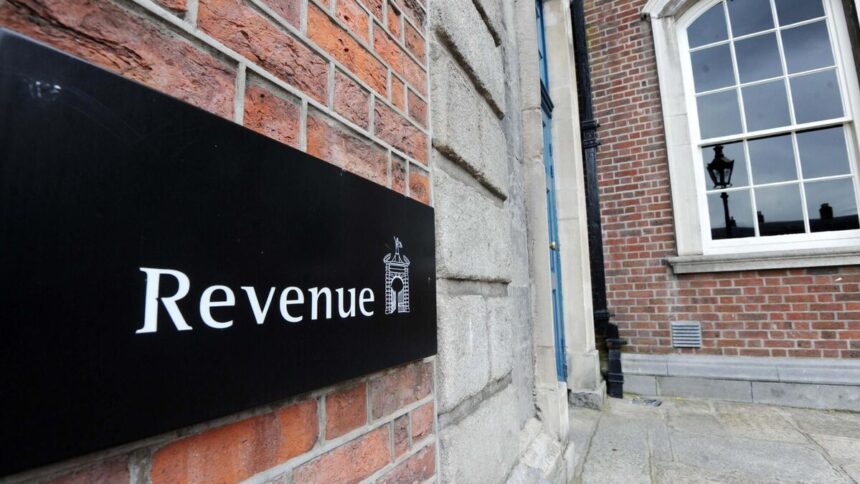
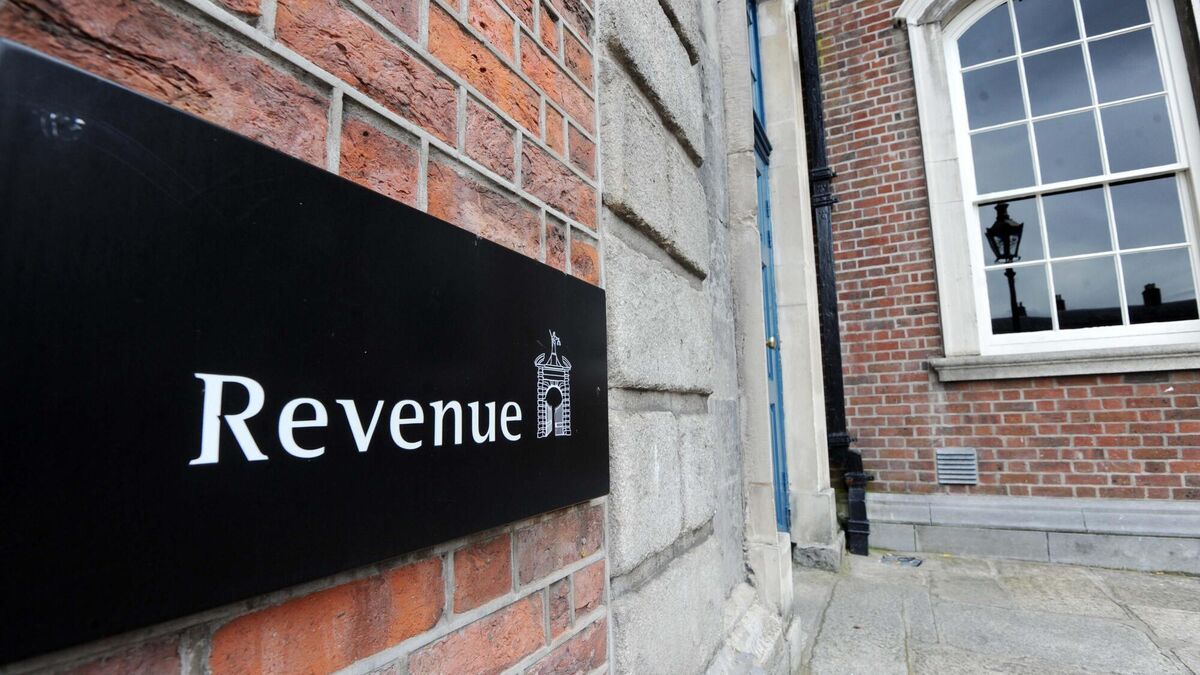
The Irish Tax Institute has come out against Revenue’s proposals to introduce a new eWithholding Tax (eWHT) system, calling it “too broad” and “too risky”.
During his budget speech last year, former finance minister Paschal Donohoe said his department and Revenue would be seeking input on the modernisation of Professional Services Withholding Tax (PSWT) and Relevant Contracts Tax (RCT).
PSWT is a tax that applies to payments by accountable persons for certain professional services. The accountable person must deduct PSWT at the rate of 20% from payments made for certain professional services.
RCT is a withholding tax that applies to certain payments by principal contractors to subcontractors in the construction, forestry and meat-processing industries. The rates of tax are 0%, 20% and 35%.
Revenue said eWithholding Tax system would enable businesses to spread tax payments throughout the year, so they never hit with a large lump sum bill.
Revenue’s website says the system will be “automatic, convenient and keeps your cash flow steady while keeping you compliant”.
The modernisation of these systems will also see the expansion of withholding tax to the platform economy as well as the introduction of personalised deduction rates to a new modernised and expanded withholding tax regime for self-employed workers. The 0% RCT rate will also be abolished.
However, the Tax Institute warned proposals to introduce the eWHT system risks “damaging Ireland’s competitiveness” and has urged further consideration be given to the “scope, design, cost, and economic impact of the proposal before it proceeds any further”.
The institute said it surveyed its members on the proposals and received 145 responses.
It said members had concerns around the consequences of removing the 0% RCT rate. Concerns were also raised the proposals could impact the country’s ability to attract new investment.
“The introduction of Personalised Deduction Rates (PDRs) for self-employed individuals would effectively accelerate income tax payments making it difficult for a self-employed taxpayer to predict their cashflow on an ongoing basis as the rate varies,” the institute added.
President of the Irish Tax Institute Shane Wallace said the proposed eWHT regime appears “too broad, too costly, and too risky”.
“It could undermine cashflow, harm much needed housing and infrastructure delivery, impact competitiveness and Ireland’s reputation as a business-friendly jurisdiction — without clear evidence that it would materially improve tax compliance, which is already very strong in this country at over 90%”.