Iowa Attorney General Brenna Bird has filed a lawsuit against home security camera maker Lorex, alleging the company used deceptive business practices to mislead consumers about potential security risks tied to its products.
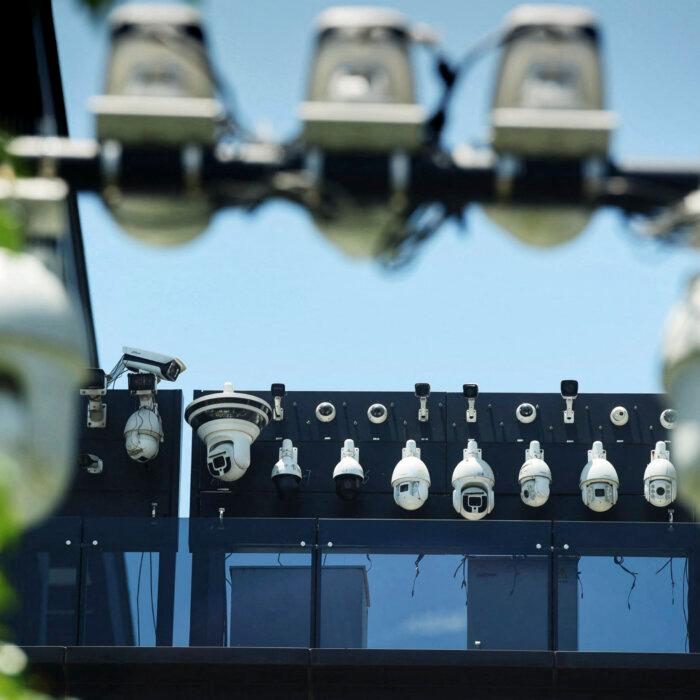
At the center of the lawsuit is Lorex’s connection to Zhejiang Dahua Technology, a Chinese surveillance equipment maker on the Pentagon’s blacklist of Chinese military companies.
Although Lorex’s ownership has since changed from Dahua to Taiwan-based Skywatch, the complaint alleges that the company “still markets and sells” some camera products “made using components and technology” from Dahua.
“The fact that a Chinese-backed company can spy on Iowa kids and families through baby cameras is creepy and scary,” Bird said in a statement on Oct. 9.
Related Stories

“Iowa parents want to be sure their baby is getting a good, safe night’s sleep. They shouldn’t have to worry that the Chinese government can also view that footage.
“Enough is enough—China needs to stay out of our homes. Companies like Lorex that help China access Iowans private data will be held accountable to Iowa law.”
The complaint cites China’s 2017 National Intelligence Law, which it says raises concerns that Beijing could access data collected by Lorex cameras.
The law “forms the baseline of the modern data collection regime,” according to the complaint, which cites the U.S. Department of Homeland Security.
It also creates “a legal obligation for those entities to turn over data collected abroad and domestically” to Beijing, the complaint states.
The complaint also warns that China’s 2021 Regulations on the Management of Security Vulnerabilities in Network Products could let Chinese authorities learn of security flaws before companies can issue patches to fix them.
The 2017 law and 2021 regulations call into question Lorex’s assurances that its cameras are “private by design” and that it takes “every step possible to ensure your recordings remain private,” the complaint says.
Another practice the lawsuit accuses Lorex of using to mislead consumers is a disclaimer on its frequently asked questions page.
In a question addressing the 2019 National Defense Authorization Act (NDAA), Lorex states that its products “are designed for consumer and business use only and not for U.S. federal governments, federally-funded projects or contractors subject to NDAA.”
While Lorex’s statement acknowledges that the products are restricted from federal use, the complaint argues that the company’s disclaimer “reflects Lorex’s actual knowledge of the security concerns associated with its products but provides no explanation of why the disclaimer is significant.”
The complaint states, “A consumer would interpret the disclaimer as stating that any concern is limited to federal government use, and therefore that Lorex cameras are safe for household and business use. The disclaimer is therefore misleading.”
Bird is seeking reimbursement, civil penalties, and fees from Lorex for violating Iowa’s Consumer Fraud Act, according to her office.
The Epoch Times contacted Lorex for comments and didn’t receive a response by publication time.
Bird has filed two other China-related lawsuits recently.
On Oct. 7, Bird announced a lawsuit against video surveillance company ADI Global Distribution, alleging it concealed that its cameras were manufactured in China by Hikvision and Dahua.
Hikvision is also on the Pentagon’s blacklist of Chinese military companies.