The United States has sanctioned a prominent Chinese-born businessman in Fiji, accusing him of bribing local officials and advancing the interests of the communist regime.
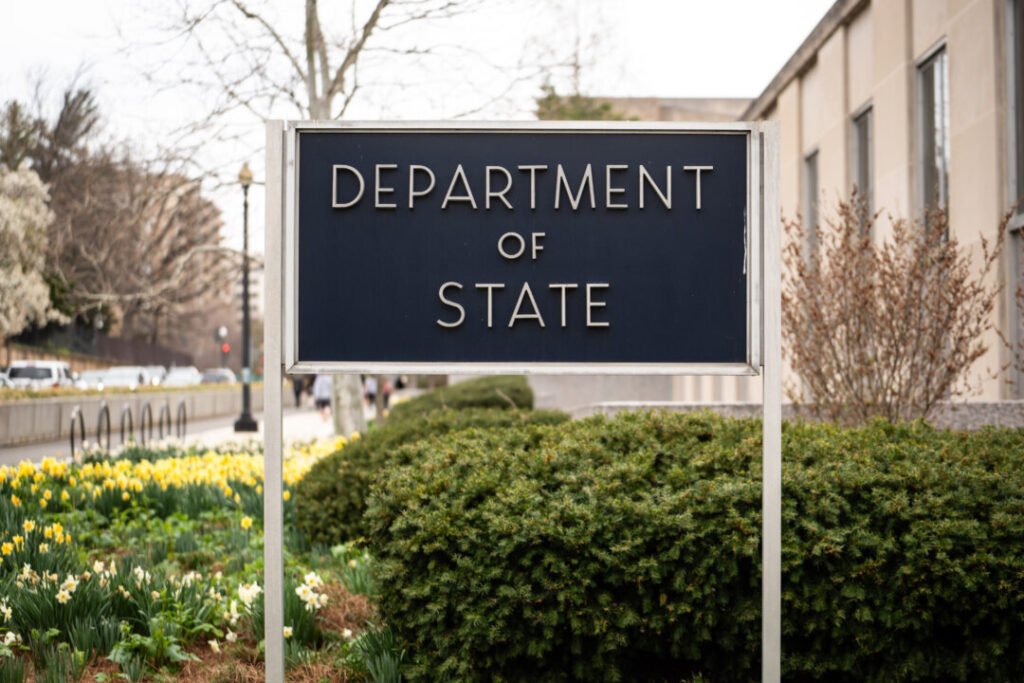
Zhao Fugang, director of an Overseas Chinese Service Center in Fiji, was designated for his involvement in “significant corruption” on behalf of China-based actors, the U.S. State Department said in an Oct. 7 statement.
“Zhao abused his public position by paying bribes to Fijian citizens to advance China-based government, business, and criminal interests,” State Department spokesman Tommy Pigott said. “His actions constituted significant corruption and adversely affected U.S. interests in Fiji.”
The designation generally bars Zhao and his immediate family members from entering the United States.
Related Stories


The regime’s diplomats have said the overseas service centers were established to support the Chinese diaspora with services such as translation and legal consultation. But U.S. lawmakers have raised concerns that these centers were coordinating with the Chinese regime’s Ministry of Public Security to monitor and intimidate those critical of the CCP.
In Fiji, the first Chinese service center opened in December 2016 in the capital city of Suva, with Zhang appointed as its director, according to the regime’s foreign ministry. Local Chinese-language media reports said the service center is located in the Yue Lai Hotel.
The U.S. embassy in Suva said on Oct. 7 that there are “documented links” between Beijing’s United Front and criminal figures.
The embassy said Zhao’s actions left Fiji “vulnerable to malign foreign influence facilitated by Chinese government, business, and criminal actors” inside and outside of the Pacific nation.
“Corruption stunts opportunities for foreign investment and foreign assistance, facilitates organized crime, offers a permissive environment for malign actors, drives illegal migration, and undermines citizens’ faith in government,” it said in a statement on X.
“This directly impacts U.S. national security, economic, and foreign policy interests, and those of our partner nations.”

A general view shows the Yue Lai Hotel, owned by local businessman Zhao Fugang, in Suva, Fiji, on Oct. 8, 2026. AFP via Getty Images
Asked about U.S. sanctions on Zhao at an Oct. 8 briefing, China’s foreign ministry spokesperson Mao Ning said she was “not aware” of the matter but that Beijing always opposed “smearing and defaming.”
The Epoch Times couldn’t immediately reach Zhao, and his lawyer didn’t respond to a request for comment by publication time.
Zhao’s lawyer told Agence France-Presse that his client “categorically” denied Washington’s accusations and a letter had been sent to the U.S. embassy requesting all details about the alleged crimes. The lawyer added that no criminal proceedings are currently underway against Zhao in Fiji.
After moving to Fiji in 1998, Zhao has built businesses in hospitality, catering, and tourism, according to a 2019 report on the website of the Chinese People’s Political Consultative Conference, Beijing’s top political advisory body. Zhao was among the overseas representatives invited back to Beijing to attend a series of official events celebrating 70 years of Communist rule in China.
A March 2024 investigative report by the Organized Crime and Corruption Reporting Project (OCCRP) linked Zhao to a transnational criminal network that engaged in human trafficking, money laundering, and drug smuggling.
OCCRP reported that during an exchange at Zhao’s hotel, he denied involvement in any criminal activity, but when asked whether he worked on behalf of the Chinese government, he replied, “Yes.”
Zhao’s lawyer has previously denied allegations made by OCCRP, calling them baseless.