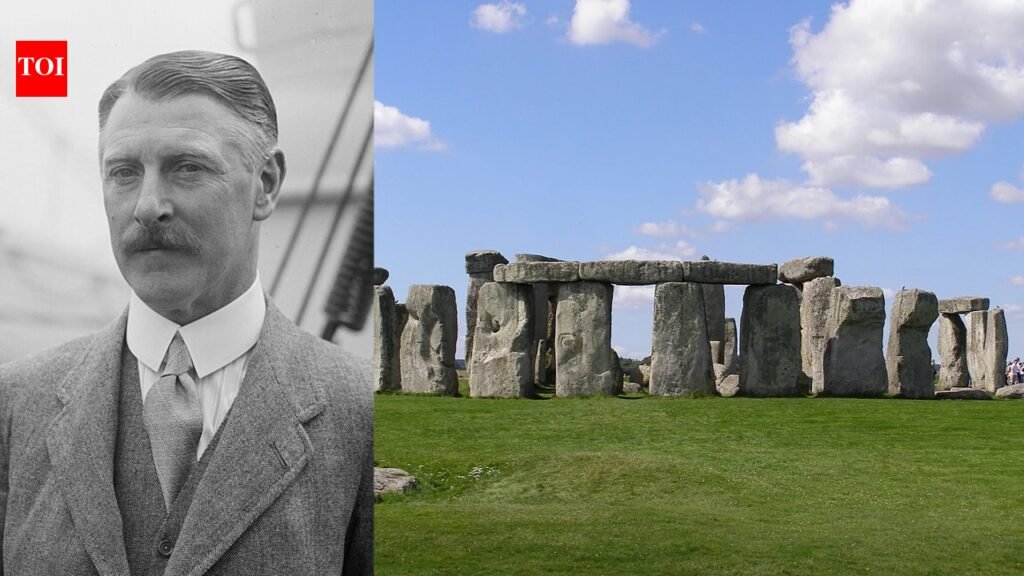
On 21 September 1915, a British lawyer named Cecil Chubb went to an auction in Salisbury, England, reportedly hoping to buy furniture. He came home as the owner of Stonehenge, the mysterious Neolithic monument in southern England. According to the History website, his winning bid was six thousand six hundred British pounds. The purchase began as a whim and ended as one of the most generous gifts of heritage in British history, because Chubb handed the stones to the nation. Here is how a furniture trip turned into the strangest property deal.
How in 1915, Cecil Chubb attended a Salisbury auction to buy furniture
Chubb was born only a few miles from Stonehenge. In 1915, he attended the sale at the Palace Theatre in Salisbury, and the account describes him as someone who went along to pick up furniture. According to History, he went to the auction as he wanted to buy dining chairs.The monument was listed as Lot 15, together with a triangle of neighbouring land of about thirty acres. Both had belonged to the family of Sir Edmund Antrobus. His death in 1915 put the estate on the auction block, so a landmark visited by people from around the world was sold like any other property.
A winning bid of 6,600 pounds on a whim, and a wife who expected household items
Chubb won the lot with a bid of six thousand six hundred British pounds. Adjusted for inflation, it says, that is a little more than one million dollars today. For a prehistoric monument that had stood for thousands of years, it was a modest sum.History reports that Chubb said he had not planned to bid on Stonehenge at all. In a newspaper interview, he explained that, once in the room, he felt a Salisbury man ought to buy it. His wife, Mary, reportedly expected him to return with household goods and was less than pleased with the surprise.
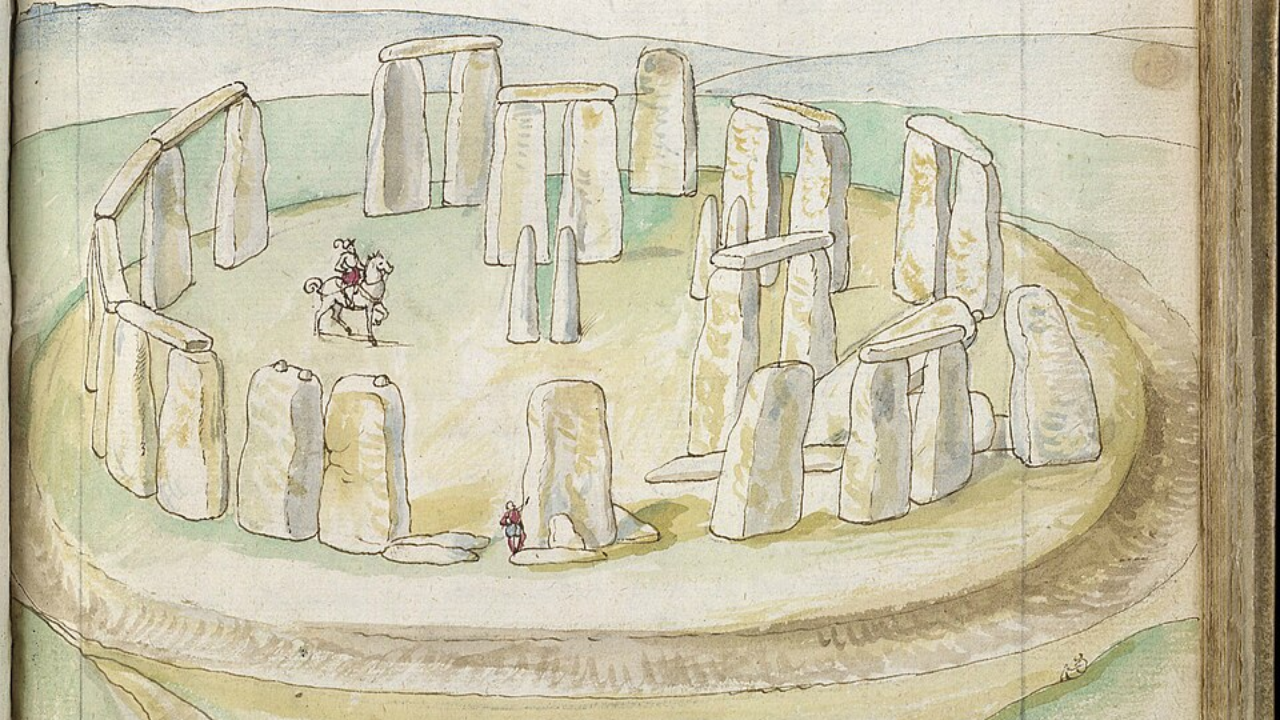
Watercolour of Stonehenge by Lucas de Heere, 1574 (Image: Wikipedia)
From private owner to gift: Chubb gave Stonehenge to the nation and became a baronet
Chubb’s ownership lasted only three years. On 26 October 1918, he deeded Stonehenge to the British people as a gift. That gift is why he is remembered as the last private owner of the monument.Prime Minister David Lloyd George rewarded the gift in 1919 by naming him Sir Cecil Chubb, First Baronet of Stonehenge. In the same year, the British government began a major renovation, straightening stones and setting them in concrete.
Deed conditions and Stonehenge today, a protected World Heritage Site after a century
The deed attached three requirements, according to History. The public would be admitted for a modest fee, the monument would be preserved as closely as possible to its existing state, and new construction nearby would be tightly restricted.Stonehenge now forms part of the World Heritage Site called Stonehenge, Avebury and Associated Sites, designated by the United Nations Educational, Scientific and Cultural Organisation. Maintenance and preservation of the monument have continued for more than a century since Chubb’s gift. The article adds that the stones’ purpose and the way they were raised remain open questions.