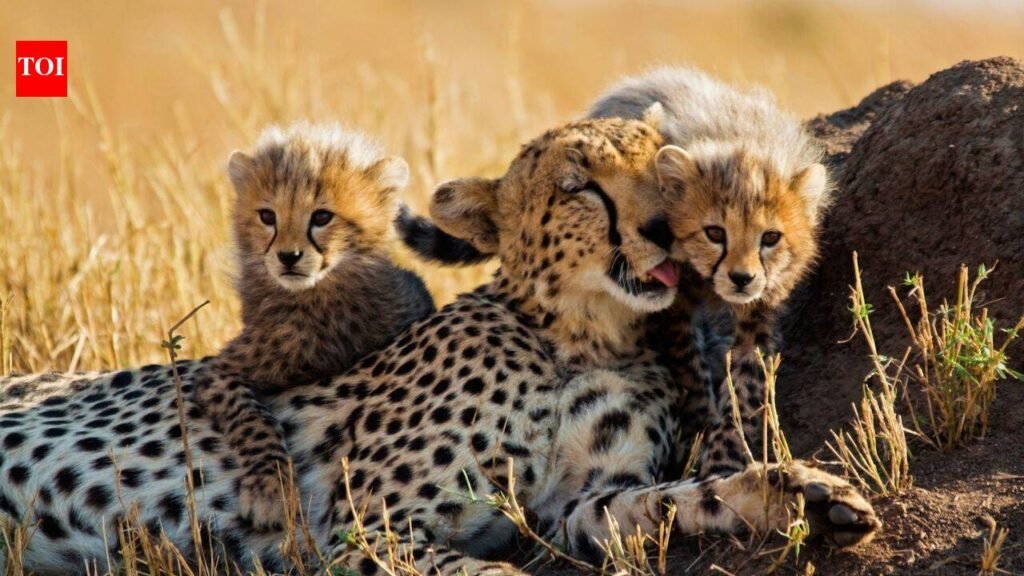
Good news for wildlife lovers! Kuno National Park in Madhya Pradesh has a new reason to celebrate. According to the Ministry of Environment, Forest and Climate Change, Indian-born female cheetah KGP12 gave birth to four cubs on September 18, 2026. The announcement came a day after Project Cheetah completed four years in India. The development is particularly significant because KGP12 is herself a second-generation cheetah born in India.Union Environment Minister Bhupender Yadav called it a “truly historic and joyous moment” for Project Cheetah and wrote that “four years, four new lives”.Who is KGP12?
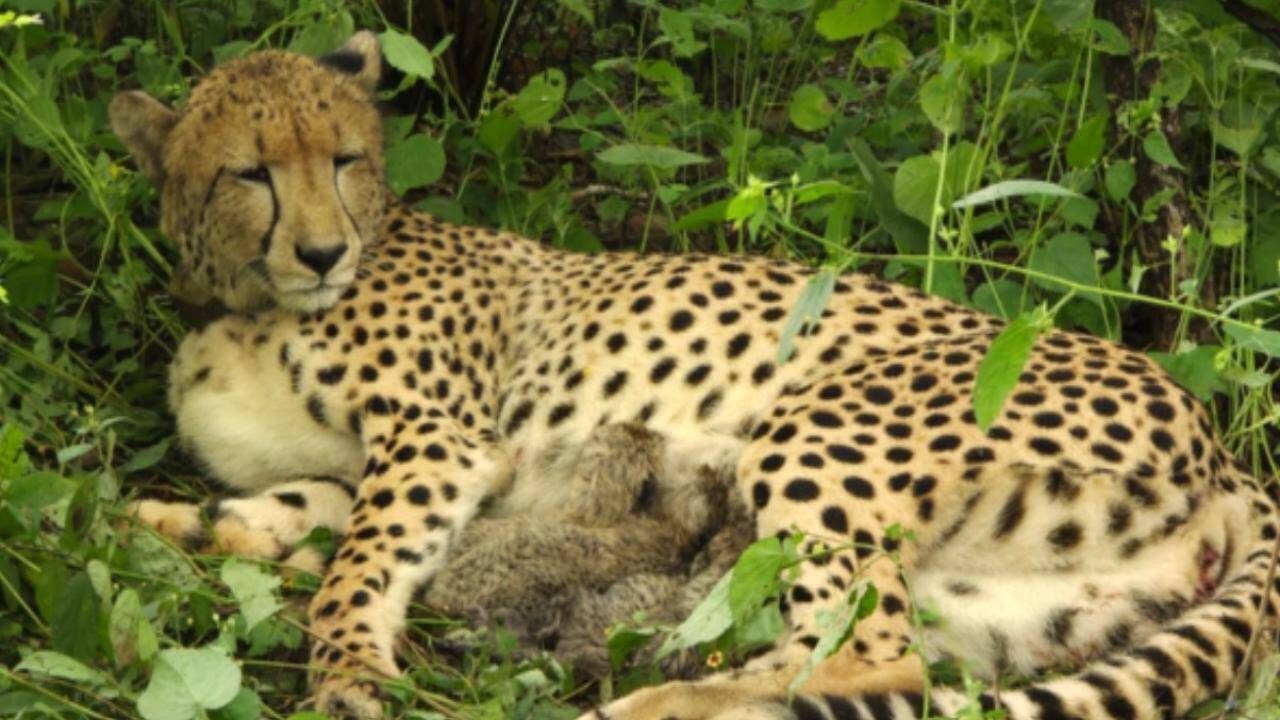
Kuno National Park (PC: news on air)
KGP12 is the daughter of Gamini, a female cheetah brought to India from South Africa. She represents a generation born after the return of cheetahs to India and is now producing offspring of her own.According to reports, KGP12 is more than 30 months old and gave birth to the four cubs inside a secured enclosure at Kuno. The four cubs are her second litter. She had previously given birth to four cubs in April 2026, making her the first India-born female cheetah to produce two litters.India’s cheetah population reaches 56The four new births have taken India’s living cheetah population to 56, according to reports citing the latest Project Cheetah figures. Of these, 53 are in Kuno National Park and three are at Gandhi Sagar Wildlife Sanctuary in Madhya Pradesh. The number of cheetahs born in India has risen to 36.The numbers mark a considerable change from the beginning of Project Cheetah. On September 17, 2022, the first eight cheetahs, five females and three males, arrived in India from Namibia and were brought to Kuno. A further 12 cheetahs were translocated from South Africa in February 2023. Nine more cheetahs arrived from Botswana in 2026.Why Kuno is an important wildlife destination
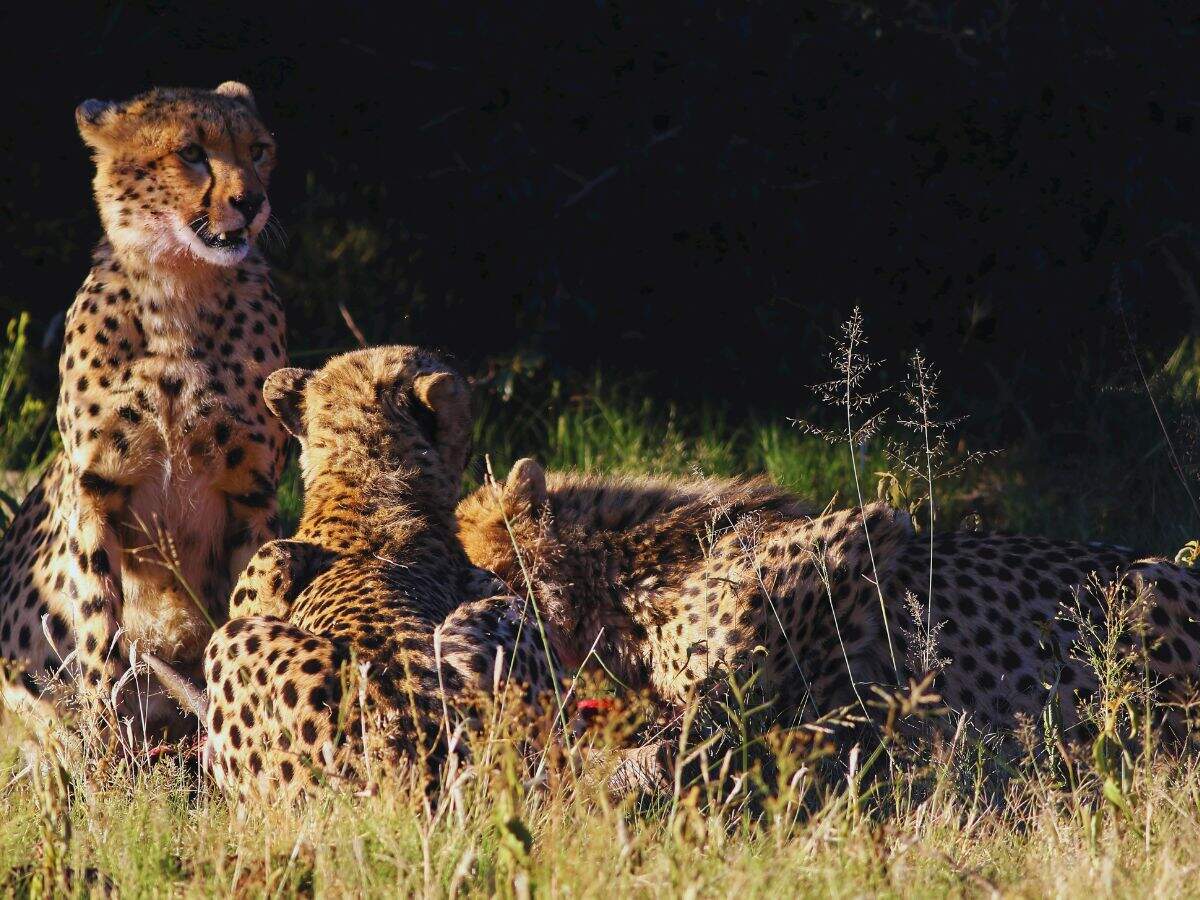
Leopards (Canva)
For travellers, Kuno offers a different experience from Madhya Pradesh’s better-known tiger reserves. The landscape is characterised by grasslands and dry deciduous forests, with vegetation dominated by species such as Kardhai, Salai and Khair. The Kuno River also runs through the landscape, while the wider area supports animals including chital, sambar, nilgai and hyena, along with a diverse range of birds.Kuna has three main tourist entry gates:
- Tiktoli
- Ahera
- Peepal Bawadi
How to reachGwalior is the nearest airport facility to Kuno.Kuno is also well-connected to Gwalior, Shivpuri, Sawai Madhopur, Kota, Jaipur and Jhansi via train.Visitor information
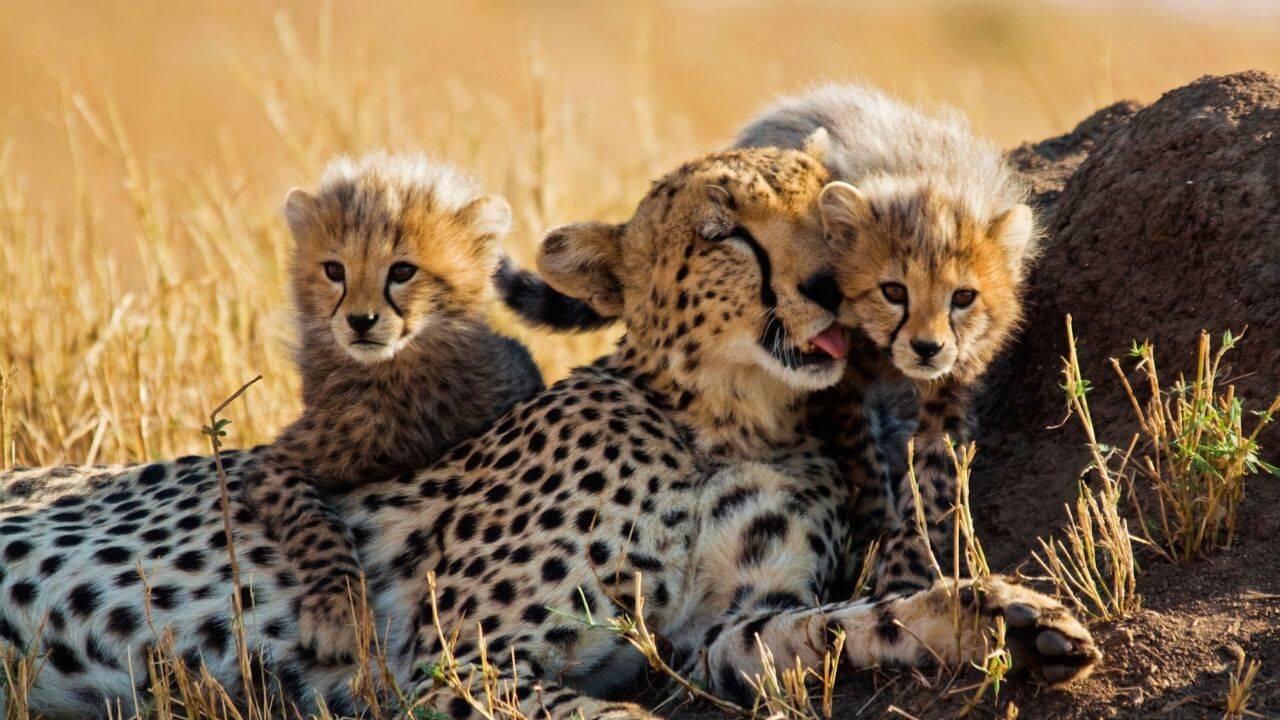
Cheetah
For visitors planning a safari, Kuno’s official tourism information says the park remains closed during the monsoon period, with the visitor website listing July 1 to October 15 as the closure period.October to March is the favourable period to visit.Can you see the new cheetah cubs?As of now, the birth of the four cubs does not mean visitors can expect to see them on safari. Madhya Pradesh Tourism currently notes that tourists cannot witness the cheetahs directly and advises visitors to follow official updates.