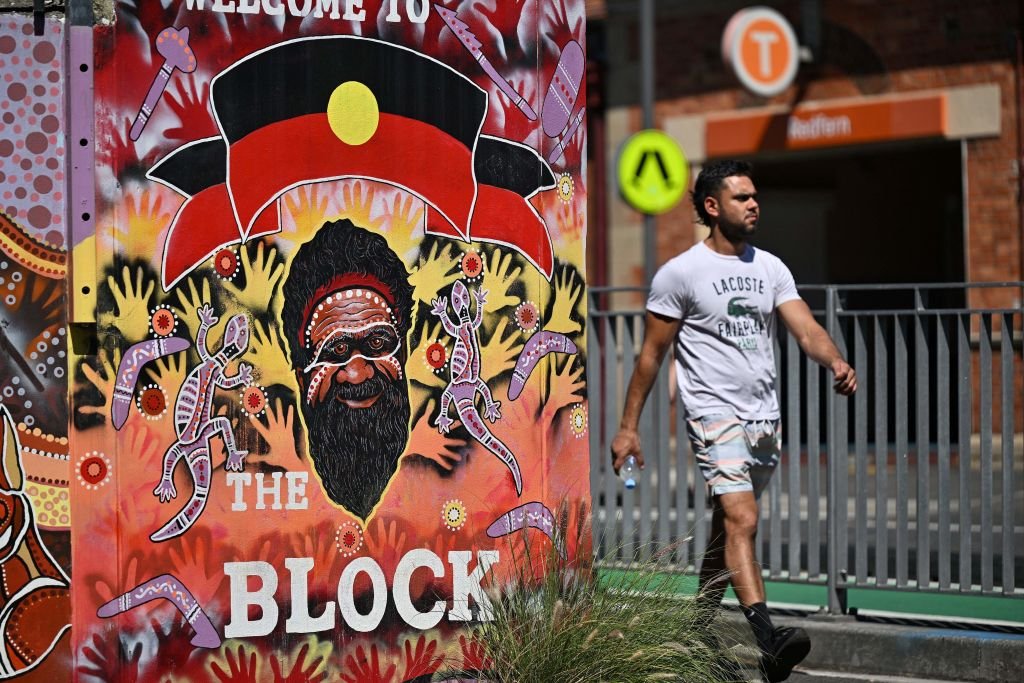

A man walks in front of Redfern train station in Sydney, Australia on Oct. 14, 2023. Saeed Khan/AFP via Getty Images
The maintenance of high Indigenous voter enrolment as shown in the latest estimates is “incredibly pleasing,” the electoral commissioner says.
The annual estimate shows around 93.8 percent of all eligible Indigenous Australians are enrolled to vote, Jeff Pope said, releasing the figures on Sept. 22.
That indicated modest growth of 0.8 percent from this time last year, with an estimated 20,000 additional Indigenous Australians on the electoral roll.
“There is a small gap to the overall national enrolment rate, which sits at 97.8 percent, but the maintenance of high Indigenous enrolment in the past few years is incredibly pleasing,” Pope said in a statement.
All states and territories maintained high levels of Indigenous enrolment.
Aboriginal enrolment rates in New South Wales (NSW) and Tasmania are almost equal to overall enrolment rates in those jurisdictions.
Related Stories
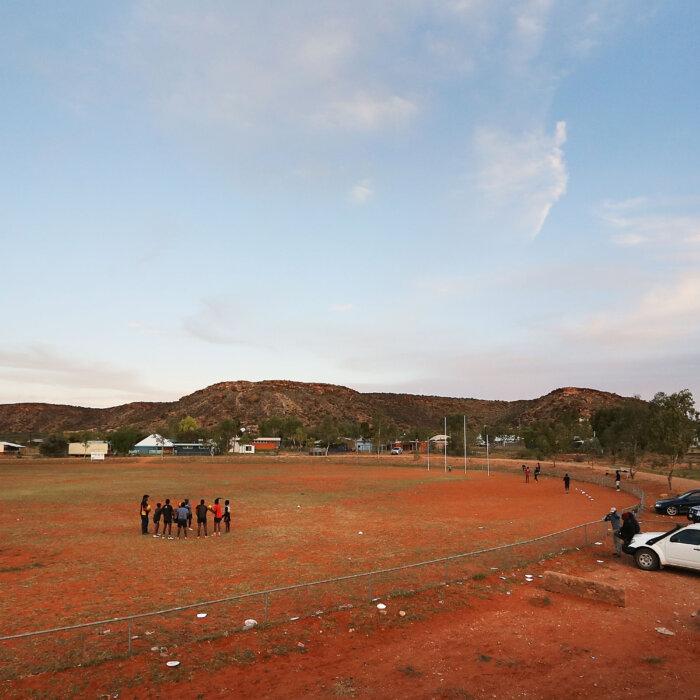
Western Australia and the Northern Territory continue to have the highest proportion of unenrolled Indigenous Australians.
There was a slight decline in the South Australian rate, largely driven by the pausing of direct enrolment activity that normally happens in the lead-up to state elections, Pope said.
“Enrolment is a critical building block for participation in elections but there is obviously so much more to it than just that,” he said.
“All citizens require information about how elections work, how to participate and why their vote matters.”
The commission’s electoral participation program allowed staff across the country to build on important connections they had within Aboriginal and Torres Strait Islander communities, Pope said.
“Our message of: ‘Why vote?’ Along with familiarity and comfort with the voting process, will be a continuing focus for our engagement work leading up to the next federal election,” the commissioner said.
While Australia’s national enrolment rate is published every quarter, the Indigenous enrolment rate is estimated as at June 30 every year.
By Lloyd Jones in Darwin.