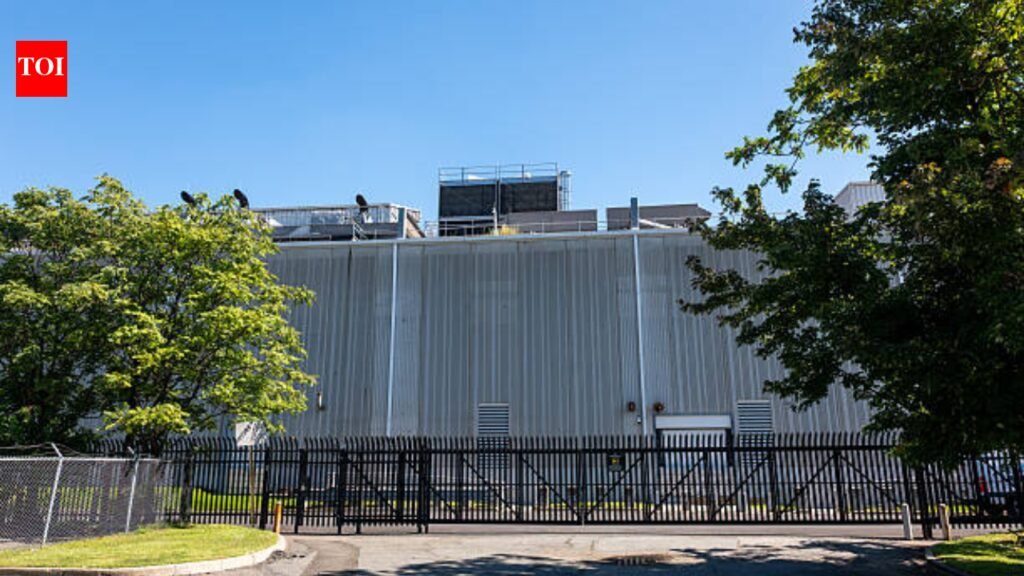
A massive data-centre campus planned in Grayslake, Illinois, has moved a step closer to construction after the village issued its first building permit, paving the way for an 800,000-square-foot facility. The larger development is expected to involve as much as $18 billion in private investment, but the project has also triggered opposition from residents who say they were not given a meaningful opportunity to weigh in before approvals were granted.The T5 Data Centres project, known as the Cornerstone development, is planned on land along Peterson Road in Grayslake. The latest plans call for about 6.7 million square feet of data-centre space to be built over 7 to 10 years. Earlier approvals allowed for a larger development of up to about 473 acres and as much as 10.1 million square feet, according to village documents. The village said the initial permit marks the operational start of the multibillion-dollar campus, with site work moving forward.
Neighbours say they found out too late
While the village and developer have promoted the project as a major economic investment, some nearby residents say they were unaware of the scale of the development until after key approvals had already been granted.CBS Chicago reported that residents living close to the future data centre said they did not realise what was planned until the project had already been approved. Rob Baum, whose family has owned property near the site for three generations, said he had believed the land was simply farmland and was surprised by the scale of the planned construction.“This was all farm field,” he said. “My uncle owns like five acres back there. It seemed like they kinda snuck it under the table a little bit,” Baum said.Hannah Harris, another resident, told CBS that residents did not understand that the project was being approved because of what she described as “ambiguous language.” She said she began attending village meetings after learning more about the development, but by then the project had already received approval. The concerns extend beyond the size of the buildings. Residents have raised questions about potential environmental effects, water consumption, electricity demand, noise and wetlands around the site.The opposition has also moved into the legal arena. A lawsuit filed by opponents seeks to challenge the village’s approvals, while residents have organised through the Lake County Data Centre Opposition Coalition. Earlier reporting by the Daily Herald said opponents argued that the public hearings surrounding the approvals were inadequate and that the village did not commission third-party studies to support some of its conclusions. Those are allegations made by opponents and remain subject to the legal process.
What the village and T5 say
T5 Data Centres has defended the development and said it intends to continue engaging with residents. Pete Marin, CEO and chairman of T5, said the company was committed to incorporating community input. He pointed to the company’s decision to voluntarily withdraw an application related to the remediation of local wetlands after hearing concerns from residents.T5 has also said it is working with the village on standards involving noise, water and electricity use. The company has said the project is expected to generate about $1.4 billion in property tax and permit-fee revenue over 20 years.The Village of Grayslake has similarly emphasised the financial impact. According to village officials, the project is moving forward without local tax incentives, exemptions or tax-increment financing subsidies. The village estimates the campus could generate approximately $1.4 billion in property tax revenue for local taxing bodies over its first 20 years.The village currently operates with a balanced budget and no municipal debt, officials said, meaning the additional revenue could potentially support infrastructure, parks, trails, schools and other community projects rather than being used to pay existing municipal debt.
Water use, power and environmental questions
Data centres have attracted increasing attention in the US because of their electricity and water requirements, particularly as artificial intelligence drives demand for computing capacity. Grayslake officials say the planned campus will use closed-loop cooling systems and estimate that an average data-centre building would consume around 2,500 to 3,500 gallons of water a day. For the full 6.75-million-square-foot campus, the village estimates total water use at approximately 50,000 gallons per day.The developer is also expected to fund the electrical infrastructure the campus requires, including an electrical substation on the property, according to the village.The village has stressed that the permit does not exempt the project from environmental or other regulatory requirements. The facilities will remain subject to local, state and federal rules covering issues including stormwater, sound, lighting, sewer discharges, air emissions and water use.Wetlands have nevertheless remained a point of contention. T5 previously sought permission to remediate isolated wetlands by replacing them elsewhere, but later withdrew that application after concerns were raised. The company has said the decision followed community feedback.
A major development still facing scrutiny
The first 800,000-square-foot permit does not mean the entire campus will appear at once. The development is expected to unfold in phases over several years, with the latest plan envisioning multiple buildings and millions of square feet of data-centre space.The economic potential is therefore unfolding alongside questions over how the project was approved and how its environmental and infrastructure impacts will be managed.For Grayslake, the development represents a potentially major change to the local landscape and tax base. For nearby residents, the debate is also about how much say communities should have when large technology projects are planned in their neighbourhoods.As construction moves forward, the first building will provide an early indication of how the promises around water use, electricity infrastructure, environmental safeguards, noise and community engagement translate from plans into reality.