Commentary
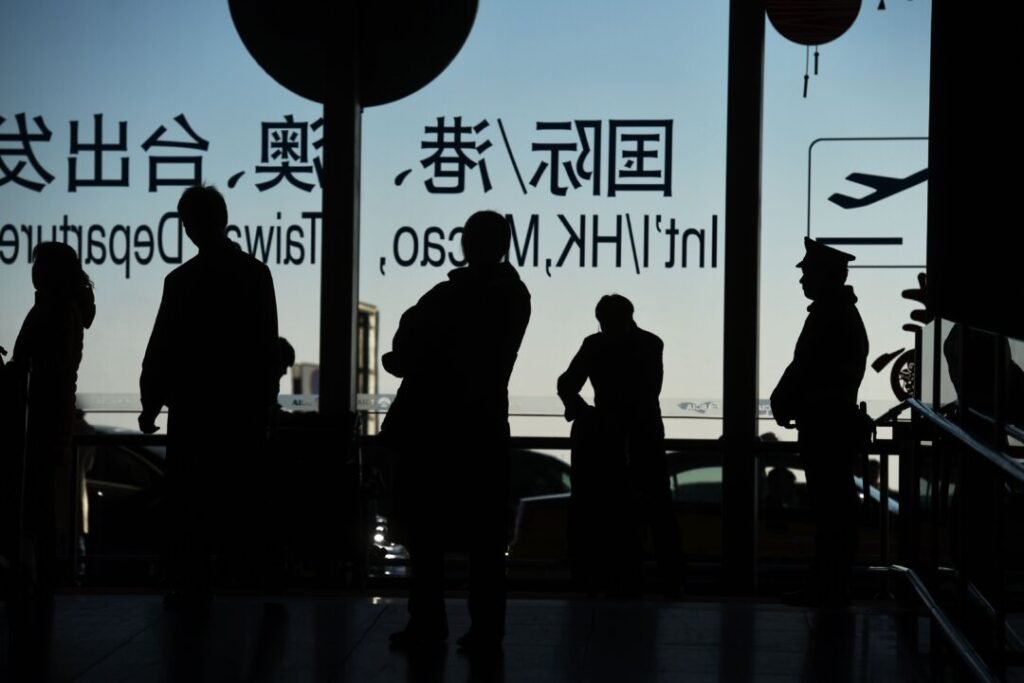
China’s new exit-entry regulation took effect on Sept. 15, allowing authorities to prevent citizens deemed a risk to industrial or technological security from leaving the country for up to three years.
The regulation is part of a broader expansion of Chinese Communist Party (CCP) control over freedom of movement, religious activity, ethnic minorities, online speech, and activity beyond China’s borders. Since August 2025, Chinese authorities have introduced regulations, proposed legislation, and carried out arrests, affecting each of these areas.
China’s State Council issued the exit-entry regulation on July 31. Signed by Premier Li Qiang, the 19-article regulation permits exit restrictions lasting from six months to three years for those who violate technology export controls or engage in activity abroad that the government considers illegal. Foreign nationals placed on countermeasure, unreliable entity, or malicious entity lists also face new entry restrictions.
Related Stories

No Chinese government agency has published a document confirming either set of detentions, and state media has not reported the Zion incident.
The arrests came amid restrictions on religious activity introduced the previous year. China’s National Religious Affairs Administration issued a circular on Sept. 7, 2025, promulgating the 18-article Code of Conduct for Religious Professionals’ Online Behavior, which was published on Sept. 16 that year.
Article 5 restricts religious professionals to preaching or conducting religious education online through platforms operated by organizations holding an Internet Religious Information Service License.
Article 4 requires anyone registering an account under a religious title to submit religious credentials to the platform for verification.
Article 7 bars religious professionals from posting content that “incites subversion of state power” or opposes Communist Party leadership.
The CCP has also moved to strengthen ideological control over ethnic minorities. China’s rubber-stamp National People’s Congress Standing Committee conducted its first reading of the draft Law on Promoting Ethnic Unity and Progress in September 2025, followed by a second reading in December. The bill was submitted to the full National People’s Congress in March this year.
Article 31 prohibits organizations and individuals from producing or distributing text, images, audio, or video containing “ethnic hatred” or “ethnic discrimination.” It also requires internet operators to remove such content and report it to the authorities.
Article 62 criminalizes organizing, planning, or carrying out “ethnic splittist activities” or religious extremist activities.

Men play computer games in an internet bar in Beijing on Dec. 16, 2015. Greg Baker/AFP via Getty Images
The CCP has also expanded cybersecurity enforcement. The National People’s Congress Standing Committee amended the Cybersecurity Law on Oct. 28, 2025, with the changes taking effect on Jan. 1 this year.
The amendments raise the maximum fine for network operators that fail to remove prohibited content, preserve records, or report to regulators from 500,000 yuan to 10 million yuan (about $1.4 million). They also extend the law beyond its previous focus on critical information infrastructure to overseas activity the authorities consider a cybersecurity threat.
China’s Ministry of Public Security published a draft of the 68-article Law on Cybercrime Prevention and Control on Jan. 31. Article 56 would bar people convicted in cybercrime-related cases from leaving China for six months to three years after completing their punishment.
Article 53 applies the proposed law to overseas entities providing internet services to users in China. Article 55 allows authorities to freeze their funds and investments and bar violators from entering the country. Violations could carry fines of up to 5 million yuan (about $745,000) and up to 15 days of detention in “serious” cases.
On July 3, the Cyberspace Administration of China opened a second round of public comment on a proposed revision of the Measures for the Administration of Internet Information Services.
The revision designates the Cyberspace Administration as the lead authority for coordinating national cybersecurity policy and supervising internet content, responsibilities previously shared with the telecommunications regulator. It also creates a blacklist for “seriously untrustworthy” internet service entities and bars them from registering new user accounts. The public comment period closed on Aug. 2.
The CCP has also expanded controls over who may speak with professional authority online. The National Radio and Television Administration and the Ministry of Culture and Tourism jointly issued the Code of Conduct for Online Presenters on June 8, 2022. Article 13 requires livestreamers who discuss medicine, finance, law, or education to hold the relevant professional qualifications and submit them to the platform.
On July 10, 2023, the Cyberspace Administration extended the requirement to “self-media” accounts, directing platforms to verify and display their credentials and restrict uncertified accounts publishing in those fields.
On Aug. 1, 2025, the Cyberspace Administration—alongside the National Health Commission, the State Administration for Market Regulation, and the National Administration of Traditional Chinese Medicine—further tightened the rules governing medical content. Platforms must classify and verify practitioners’ licenses before allowing their accounts to publish such content.
Views expressed in this article are opinions of the author and do not necessarily reflect the views of The Epoch Times.