Just two months ago, Sylvia Perfetto was celebrating a friend’s 60th birthday at a yoga retreat in Costa Rica. Then, on the way back from a scenic ATV ride to a coffee plantation, a blown tire sent the 58-year-old flying into a mountainside.
“I wiped out,” she told The Epoch Times during a video call from her home in Northern California, where she sat on a couch wearing a back brace and finger splint.
She recalled using yoga breathing techniques to stay calm during her accident. “I remember thinking: Don’t scream; it’s wasted energy.”
Her injuries consisted of a fractured vertebra, broken fingers, road rash, embedded rocks, and a sprained ankle. Unable to bear weight for more than a few steps, she required a wheelchair for her return flight home.
Once back and housebound, she needed help with everything and took a leave of absence from her job as an operations director. “Every day is like Groundhog Day; I don’t know who I am,” she said of the disruption to her normally active routine.
Perfetto is one of about six million Americans who break a bone every year. Her subsequent recovery illustrates how much the approach to healing a broken bone has changed, and how bracing a limb is only the beginning of getting better.
A New, Integrated Approach to Recovery
Fracture treatment used to focus on immobilizing bones with heavy plaster casts. But weeks spent in a rigid cast cause muscle atrophy and joint weakness.
Today, casts are more often made of lightweight fiberglass, or adjustable braces that can be removed for showering and allow better mobility.
Medical professionals increasingly treat healing as a proactive process—one in which movement, nutrition, and mental health play a role alongside standard medical care.
Dr. Victoria Maizes, founding executive director of the Andrew Weil Center for Integrative Medicine at the University of Arizona, is one of the physicians pushing this shift. In her recently published book, “Heal Faster: Unlock Your Body’s Rapid Recovery System,” she dedicates a chapter to building stronger bones.
“People often forget that bones are a dynamic, living tissue,” she told The Epoch Times. “And living tissue responds well to movement in daily life.”
Why Movement Helps–Even When It Hurts
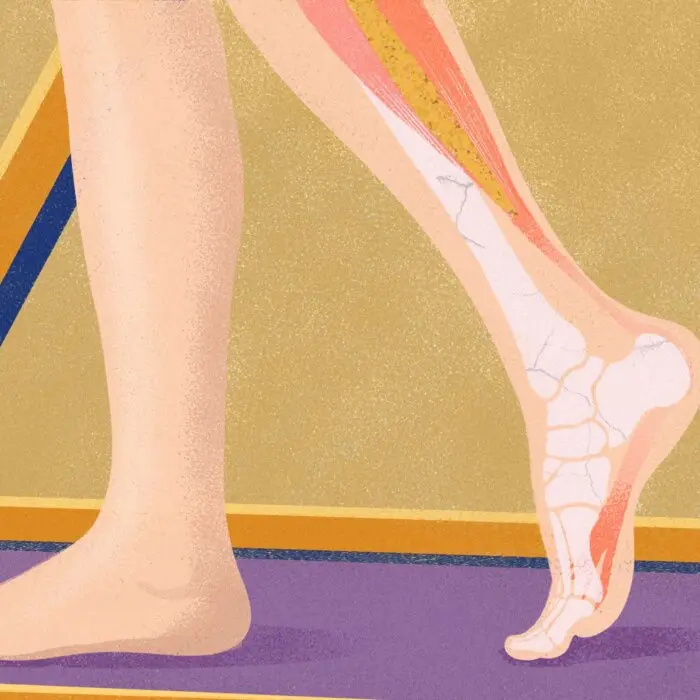
Bones are constantly being broken down and rebuilt by living cells. After an injury, that process can reverse: bones can lose density and strength unusually fast if a person stays too still for too long, a pattern doctors call post-traumatic bone loss.
Guided movement helps counter that decline by preserving muscle strength, which in turn supports healing by increasing blood flow and delivering vital nutrients that stimulate bone-building cells.
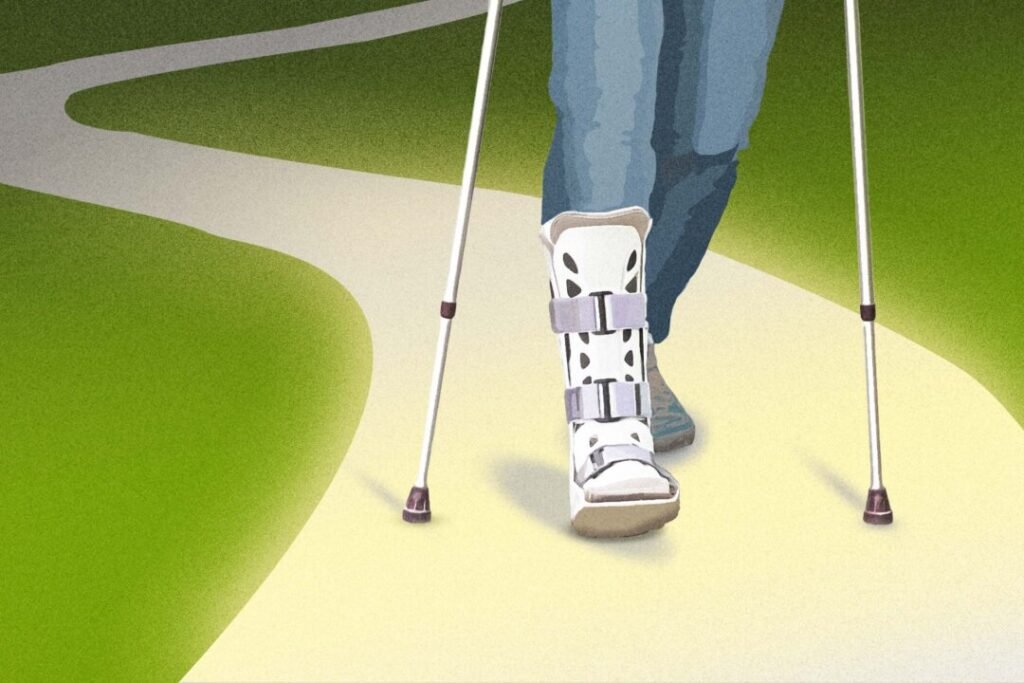
Physical therapists tailor exercises to each stage of recovery—for example, helping a patient transition from crutches to a cane. Some patients also use a technique called dynamic bracing, in which a brace allows controlled movement rather than locking a limb completely still, thereby giving the bone some of the mechanical stimulation it needs to heal well.
Sometimes, patients are afraid to move because of the pain it can cause. But tolerating some discomfort helps to avoid the risk of becoming dependent on strong painkillers such as opioids, Maizes said.
Ice still has a role, but a narrower one than many people assume. The Cleveland Clinic has updated its guidelines to advise icing only during the first 24 hours post-injury rather than the previously advised 48 hours, as reducing inflammation can delay the body’s natural healing process.
Nutrition is also important. Getting enough protein helps prevent sarcopenia, the loss of muscle that can occur during long periods of inactivity, especially common in older adults. Calcium-rich foods such as milk, cheese, yogurt, and dark green vegetables, along with vitamin D found in fortified milk, fatty fish, egg yolks, and natural sunlight, round out the basics doctors recommend during recovery.
Related Stories

How Long Does Recovery Really Take?
Dr. Roger Mann, a veteran orthopedic surgeon, told The Epoch Times that the location and severity of a break, as well as the force behind the injury, can all affect recovery time. A simple fracture may heal relatively straightforwardly, while a more complicated injury can damage surrounding soft tissue.
About half of all fractures do not require surgery. Intervention is typically reserved for displaced or unstable fractures, according to Mann, who helped pioneer modern foot and ankle surgery and co-authored an orthopedic medical reference book.
The good news is that once a bone is fully healed, it is generally as strong as a normal bone and not inherently more susceptible to future breaks, he said. However, bone healing is a gradual process. “Getting out of a cast or walking boot doesn’t mean a person is instantly back to normal.”
When a Broken Bone Is a Warning Sign
For adults over 50, a break can be the first sign of a different problem: osteoporosis, a chronic, progressive skeletal disease characterized by a loss of bone density.
When an older adult breaks a bone from a fall at standing height or less, it is worth asking whether osteoporosis is the underlying cause, said Dr. Andrea Singer, who leads the post-fracture care program at MedStar Georgetown University Hospital in Washington, D.C.
“Many people assume they were simply unlucky, but a broken bone may be the first visible sign of osteoporosis,” Singer told The Epoch Times. She recommends that older patients who fracture a bone ask their doctor about a bone density test and risk assessment.
Osteoporosis has no early symptoms of its own, and most people don’t find out they have it until they break a bone. That makes screening important for anyone at elevated risk. Prevention includes getting enough calcium and vitamin D, doing regular weight-bearing exercise, avoiding tobacco, limiting alcohol, and reducing fall risks at home. For people already diagnosed, medication can lower the risk of future fractures.
A common misconception is that osteoporosis only affects older women. Singer, who also serves as clinical director of the National Osteoporosis Foundation, said that it can affect both women and men, and the risk increases with age.
“Fractures are not inevitable consequences of aging,” she said. “Osteoporosis is treatable, and many broken bones can be prevented.”
A Humbling Experience
To help endure the frustration and uncertainty from such a disruptive life setback, Maizes advises patients to draw on times they have overcome past challenges. Some people find comfort in fracture support groups, where people facing similar injuries and setbacks can trade advice and share experiences.
Perfetto, who is about halfway through her healing journey, described her accident and its aftermath as humbling, yet said it also caused her to realize she had a powerful inner strength to move forward.
For the first couple of weeks, pain medication left her feeling disoriented and foggy. Gradually, she weaned off the meds and regained some mobility. Soon she will have her bone density tested and begin physical therapy.
She still has to wear a back brace, and her broken ring finger has difficulty gripping—a condition known as “mallet finger.”
Being forced to slow down has made Perfetto realize that she couldn’t simply “project-manage” her recovery.
“I had to learn to rely on others and accept that the only thing I could focus on was getting better,” she said. “Now, I have a new appreciation for my friends and family who have helped me so much.”