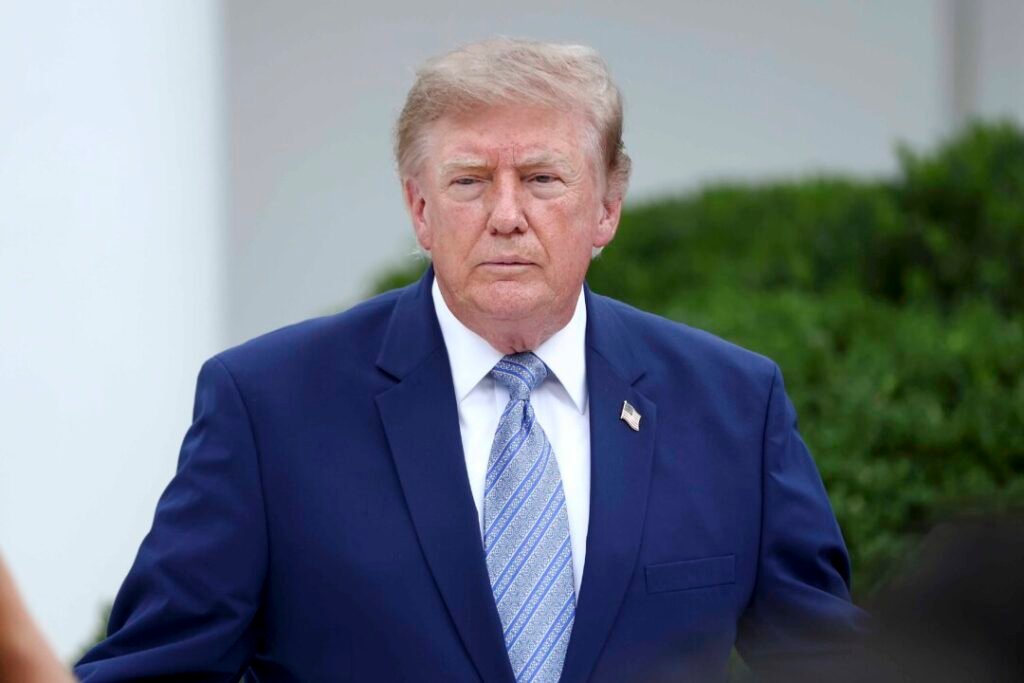
U.S. President Donald Trump said on Sept. 13 that he would discuss almost everything with Chinese leader Xi Jinping during a planned meeting at the White House later this month.
Trump did not provide specifics but said his tariffs had kept Chinese vehicles out of the U.S. market.
“The tariff kept them out. I have a 100 percent tariff. From 100 to 150 percent,” he told reporters aboard Air Force One, comparing the U.S. move with Europe, which he said was being decimated by Chinese cars.
Earlier this month, a group representing most of the major automakers urged Congress to quickly pass legislation permanently barring Chinese vehicles from the U.S. market.
The Alliance for Automotive Innovation, which represents General Motors, Ford, Toyota, Volkswagen, Hyundai, Honda, Stellantis, and others, called for passage of the bill by the end of December.
Related Stories


“Right now, Chinese automakers are dumping subsidized vehicles with connected software and hardware around the world,” the group’s CEO, John Bozzella, said in a letter to congressional leaders. “China is capturing market share in Europe, Australia, Southeast Asia, Mexico and South America with vehicles capable of collecting, processing and transmitting sensitive vehicle and consumer data to the Chinese Communist Party.”
“I get every deal,” the president said.
When asked about reports alleging that Chinese entities may have supplied Iran with satellite imagery of U.S. airbases in Jordan, Trump said, “They basically do what we do.”
It is unclear whether he plans to raise the issue during his meeting with Xi, but Trump said the Chinese leader has “behaved reasonably well.”
“You know when they say that China spies on us, I say, you’re right, and we spy on them, too,” he said.
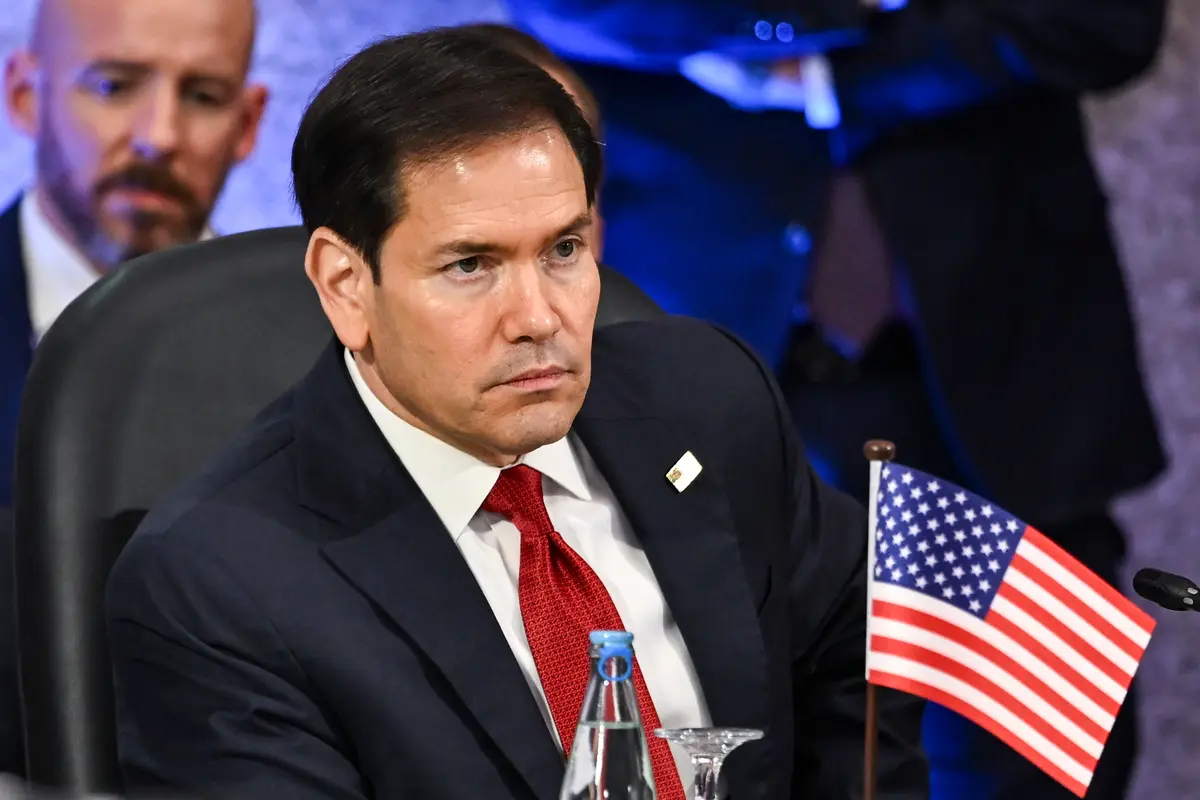
U.S. Secretary of State Marco Rubio in Pasay, Metro Manila, Philippines, on July 23, 2026. Brendan Smialowski/via AP
Rubio acknowledged the major differences between Washington and Beijing and emphasized that it is their job to manage them to ensure “they never get out of control.”
“We’re, obviously, always going to defend our national interest,” he said at the time. “And I expect they’ll do the same, as they define it. But I think there are some areas of potential cooperation.”