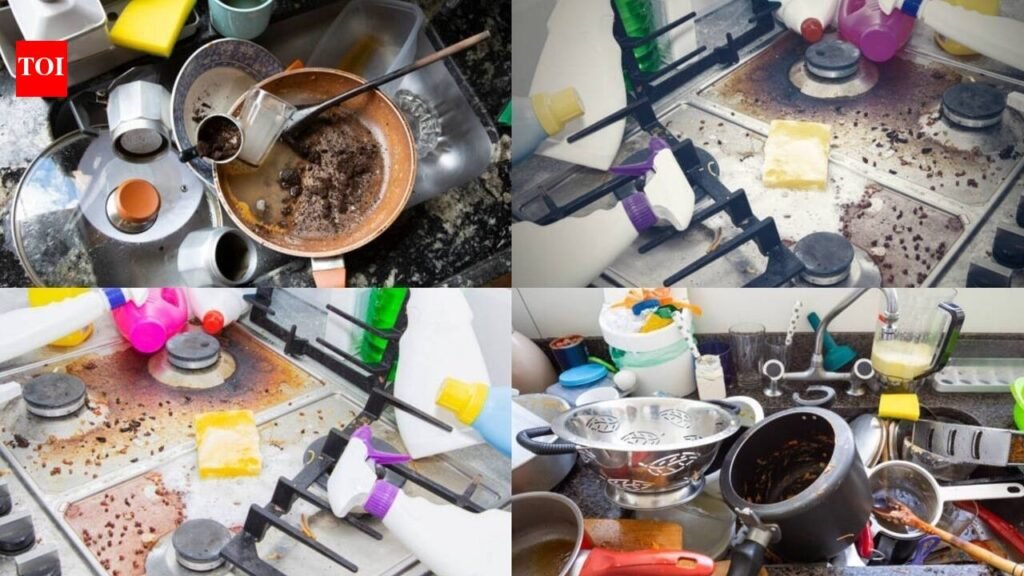
There’s a particular kind of unease that sets in when you realise the toilet seat, the thing most of us instinctively treat as the germiest object in the house, is actually nowhere near the dirtiest surface you touch on a daily basis. According to the NSF International Household Germ Study, one of the most widely cited pieces of research on this exact topic, the kitchen is actually the filthiest area in most homes, with food prep surfaces harbouring more bacteria and signs of fecal contamination than a lot of bathroom surfaces. The items responsible for this might genuinely surprise you, mostly because they look and feel completely clean. Here are the everyday household items quietly outperforming your toilet seat in the germ department.
The kitchen sponge, by a staggering margin
If there’s one item that consistently tops every version of this research, it’s the humble kitchen sponge. A study analysing 14 used household sponges found they collectively housed around 54 billion bacterial cells, a number that’s genuinely hard to visualise in everyday terms. Dishcloths and sponges were found to harbour the largest amount of E. coli and other fecal bacteria of any item tested in the average home, largely because they’re used constantly, stay damp for hours, and rarely get replaced or properly sanitised as often as they should be.
Your kitchen sink
It sounds almost too gross to be true, but the sink you rinse vegetables and wash dishes in ranks as one of the dirtiest spots in the entire house. The NSF study backed this up too, finding coliform bacteria, a marker of faecal contamination, in 45 percent of kitchen sinks tested.
Cutting boards
Those knife grooves that build up over months or years of chopping aren’t just cosmetic wear; they’re genuinely effective hiding spots for bacteria that regular washing often fails to reach. The NSF study found coliform bacteria present in 18 percent of household cutting boards tested, a risk that climbs considerably higher for anyone using the same board for raw meat and fresh vegetables without a proper wash or a separate board in between.
Your coffee maker’s water reservoir
This one catches almost everyone off guard, since a device that only ever touches water feels like it should stay perfectly clean on its own. The NSF study found yeast and mould present in 50 percent of coffee reservoirs tested, a genuinely striking figure for an appliance most people never think to clean beyond an occasional rinse. The warm, consistently damp environment inside makes it a surprisingly hospitable spot for mould to quietly build up over weeks of regular use.
Reusable grocery and tote bags
An item most of us reach for specifically because it feels like the responsible, hygienic choice turns out to need far more attention than it usually gets. Cloth bags routinely carry traces of whatever they’ve hauled home, raw meat packaging, unwashed produce, spilt liquids, and rarely get washed with anything close to the regularity of, say, a kitchen towel. Health experts specifically recommend keeping these bags off the ground and washing cloth versions regularly, or wiping down plastic and leather ones with disinfectant, to keep bacteria from quietly building up trip after trip.
Your computer keyboard
Between crumbs, coffee spills, and constant hand contact throughout the day, a keyboard accumulates far more than most people assume. The same NSF research found yeast and mould present on 68 percent of computer keyboards tested, a genuinely uncomfortable statistic given how many hours a day most of us spend with our hands resting directly on one, often while eating lunch at the same desk.
Disclaimer:
This article is intended for general informational purposes only and is not a substitute for professional medical or public health advice. Regularly replacing kitchen sponges, disinfecting high-contact surfaces, and washing reusable bags can help reduce bacterial buildup. If you have concerns about food safety or hygiene-related illness, consult a healthcare professional.