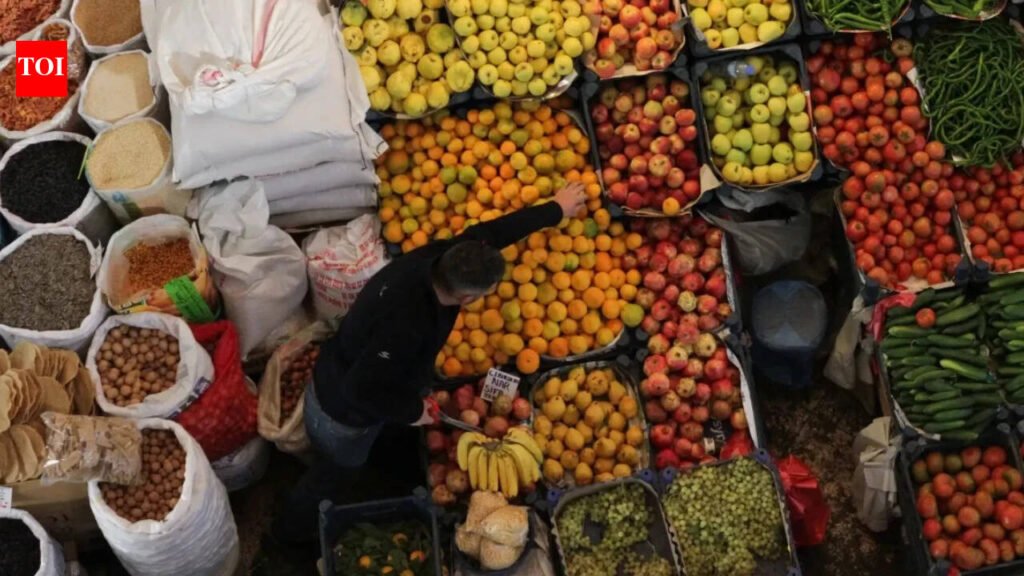
World food prices rose to their highest level since late 2022 in August as extreme weather, geopolitical tensions and disruptions to trade routes heightened concerns over supplies of key agricultural commodities, the UN Food and Agriculture Organization (FAO) said on Friday.The FAO Food Price Index, which tracks monthly changes in a basket of internationally traded food commodities, averaged 133.3 points in August, up from a revised 130.8 in July. The reading was the highest since November 2022, though it remained nearly 17 per cent below the record reached in March 2022 following Russia’s full-scale invasion of Ukraine, reported Reuters.Prices of cereals, vegetable oils, sugar, meat and dairy all increased during the month. Grain prices climbed to a three-year high, while sugar prices reached their highest level in more than a year.“August’s increase in global food prices is a warning that the risk premium is returning to food markets: climate shocks, geopolitical tensions and disrupted trade logistics are converging to tighten supply expectations,” FAO chief economist Maximo Torero said.
Weather, wars drive supply concerns
Extreme heat and drought in Europe have raised concerns over maize and sugar beet harvests and livestock production. At the same time, the anticipated El Nino weather pattern has fuelled fears of lower palm oil and sugar output in Asia.The ongoing war between Russia and Ukraine has also disrupted agricultural trade, with intensified attacks in the Black Sea curtailing grain shipments from the two major exporters. Meanwhile, the US-Iran conflict has put additional pressure on fertiliser flows, potentially affecting crop production.The FAO’s cereal price index rose 2.2 per cent in August from the previous month, reaching its highest level since May 2024. The vegetable oil index increased 0.6 per cent to its highest since June 2022.Sugar recorded the sharpest increase among the major food categories, with its benchmark jumping 11.9% to the highest level since June 2025. Lower production in Brazil’s key centre-south region, along with weather concerns in Europe and Asia, contributed to the rise.
Global cereal output forecast cut
In a separate report, the FAO cut its forecast for global cereal production in 2026 by 3.4 million metric tons from its July estimate to 2.980 billion tons.The revised forecast is 2% below 2025 production, marking the largest annual decline since 2018. However, output would still be the second-highest on record.The agency also lowered its forecast for global cereal stocks at the end of the 2026/27 season by 1.1% to 947.2 million tons. The revised stock level is only marginally above the previous season.A reduction in coarse grain stocks outweighed an upward revision to wheat inventories. The FAO said the higher wheat estimate reflected expectations of stockpiling in Russia and Ukraine as shipping disruptions hamper exports.




![Toxic Full Movie Collection: ‘Toxic: A Fairytale for Grown Ups’ box office collection Day 11 [LIVE]: Yash and Kiara Advani starrer struggling to cross Rs 245 crore in India | Kannada Movie News](https://amanshantinews.com/wp-content/uploads/2026/09/1788610749_photo-150x150.jpg)