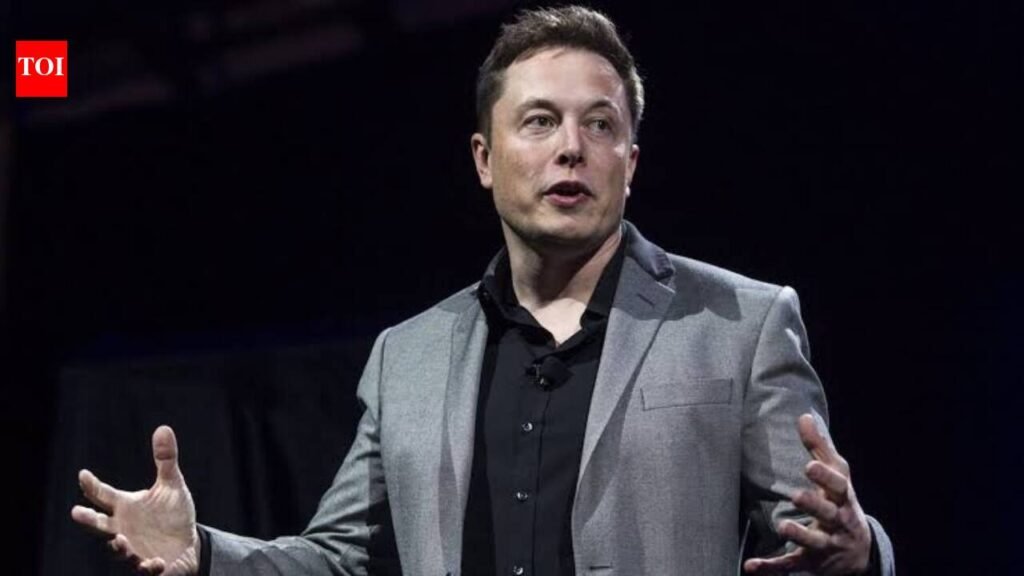
For a 14-year-old imagining his future, the question seemed simple: What should I study at university if I want to become a car engineer of the future? As shared by ONS – Energy Meeting Place (Offshore Northern Seas), his mother put that question to Elon Musk, asking whether her son should study physics, as Musk had, or choose engineering instead. Musk’s short answer was physics—but his broader advice suggested that preparing for the future is about far more than choosing a degree. His comments emphasized first-principles thinking, engineering, problem-solving, and even an understanding of history, offering a lesson that extends well beyond the automotive industry.
‘Physics’ was the short answer
The question came from a mother who said her son was 14 and already thinking about becoming a car engineer in the future. She asked Musk whether he should study physics or engineering at university. Musk’s response was that physics provides a strong framework for thinking. According to him, physics is particularly useful for understanding things that may seem counterintuitive and for learning how to work from basic principles. In other words, his answer was not simply about getting a physics degree and automatically becoming a better engineer. It was about developing a particular way of approaching problems. That distinction is important. A student interested in future technology may be tempted to focus only on the latest tools, software, or technical skills. But technologies keep changing. The ability to understand a problem from the ground up can remain useful regardless of how quickly the industry evolves.
Why Musk talks about ‘first principles’
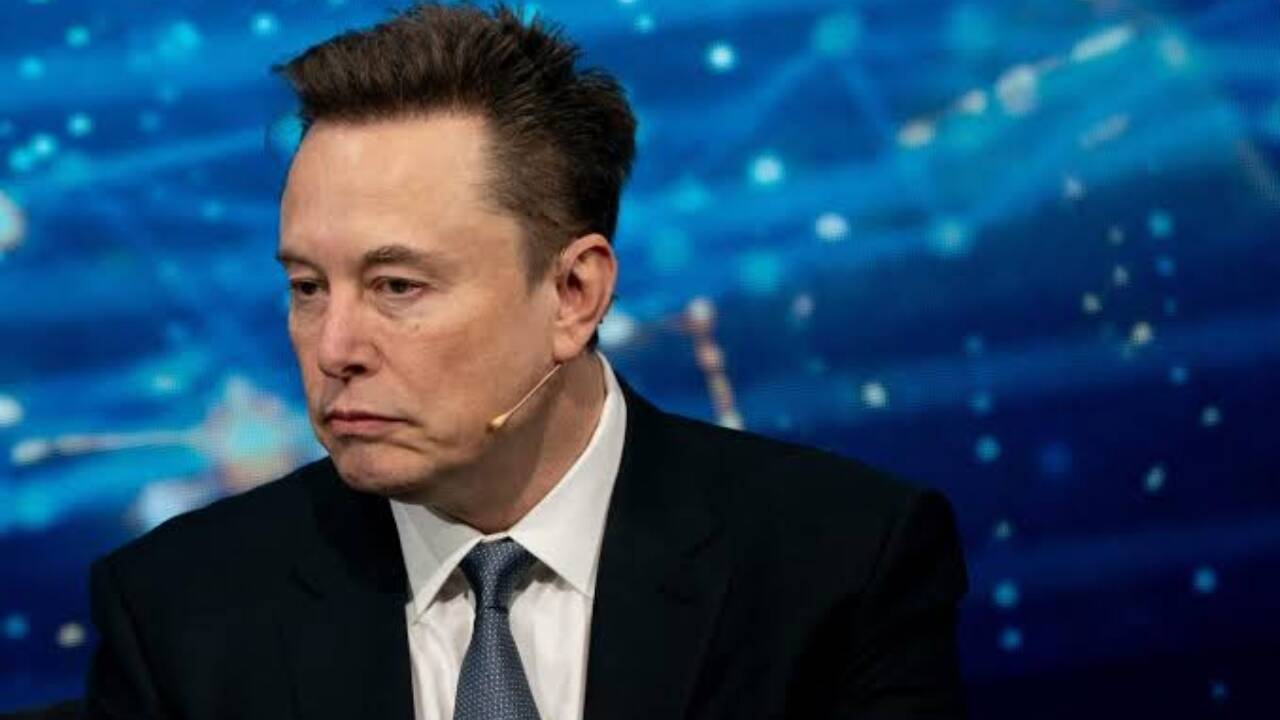
First-principles thinking means breaking a complicated problem down to its most basic facts and then building the solution from there instead of simply copying what already exists. For someone interested in designing cars, this way of thinking can be especially valuable. Instead of asking, how have cars always been built?, a first-principles thinker might ask, What does a vehicle actually need to do, and what is the most effective way to achieve it? That kind of thinking can lead to completely different approaches. Musk has often associated this method with innovation, particularly when dealing with problems where conventional assumptions may be expensive, inefficient, or simply outdated. For a young student, therefore, the bigger lesson behind his one-word answer is not necessarily “choose physics.” It is “learn how to think.”
Engineering still has a place in the picture
Interestingly, Musk did not suggest ignoring engineering. When the mother asked whether her son should study physics or engineering, Musk said the two can work together. He explained that physics offers a strong framework for thinking while also suggesting that students should study some engineering. That makes sense for someone who wants to build things. Physics can help explain why something works. Engineering focuses heavily on how to turn that understanding into a functioning product or system. A future car engineer, for example, may need to understand forces, energy, materials, and motion while also knowing how those principles can be turned into an actual vehicle. The combination can therefore be more useful than treating physics and engineering as completely separate choices.
And then came an unexpected subject: history
Perhaps the most surprising part of Musk’s answer was that he did not stop with science and technology. He also encouraged the student not to completely neglect the humanities. “History is important,” Musk said, adding that he believes history is something everyone should study. At first, history may seem far removed from designing electric cars, autonomous vehicles, or future transportation systems. But understanding history can teach students how societies, technologies, and decisions have changed over time. It can also help people recognise patterns, understand why certain systems exist, and learn from mistakes that have already been made. For Musk, education therefore appears to be less about collecting qualifications and more about developing a broad framework for understanding the world.
The bigger lesson for a 14-year-old
The question may have started with a degree, but Musk’s response ultimately turned it into a question about how a young person should prepare for an uncertain future. A 14-year-old choosing a career today will enter a world that may look very different by the time he graduates. Artificial intelligence, automation, electric vehicles, and new forms of transportation are already changing the skills employers look for. That makes the ability to learn, question assumptions, and solve unfamiliar problems increasingly important.Musk’s answer also offers a useful reminder for parents. Children do not necessarily need to have their entire careers mapped out at 14. What they need is the freedom and encouragement to become curious, understand the basics, and explore different fields. So, yes, Musk’s one-word answer was physics. But perhaps the more valuable answer was hidden behind that word: don’t just learn what to do; learn how to think, why things work, and how the world got here in the first place.