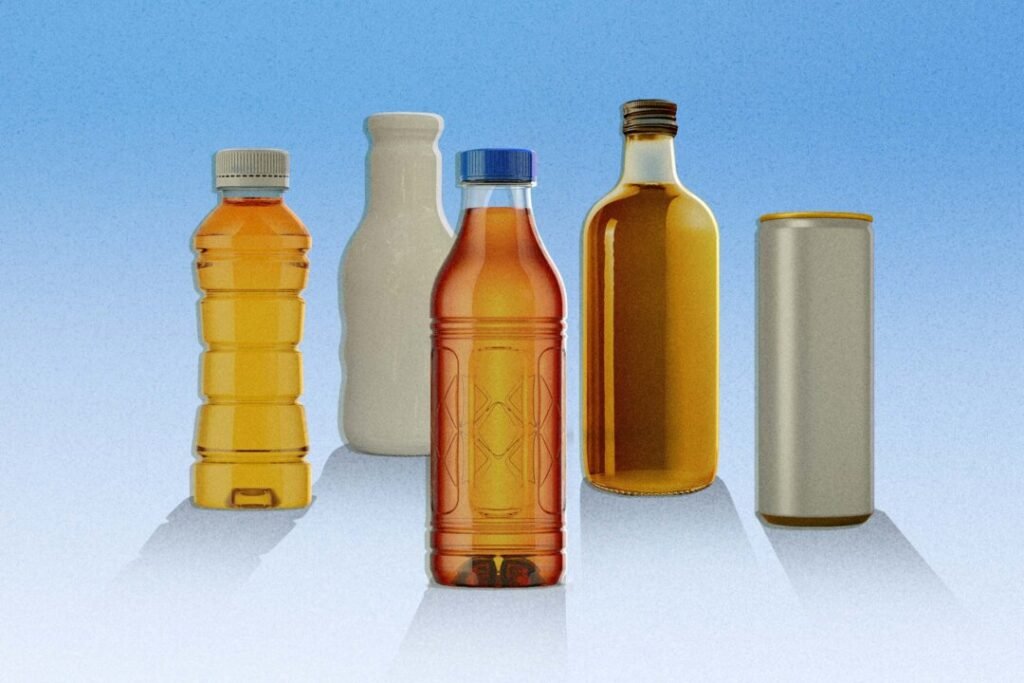
Sugar-free tea, low-sodium salt, and other “healthier” alternatives may seem like easy upgrades to your diet. But when it comes to kidney health, what these products contain can matter as much as what they leave out.
From sodium hidden in some sugar-free drinks to potassium in salt substitutes and phosphate additives in processed foods, ingredients that most people barely notice can become harder for the body to manage when kidney function declines. Knowing what to look for—and when a seemingly healthy swap can backfire—can help protect the kidneys over time.
The Hidden Sodium in Some Sugar-Free Drinks
Dr. Yen Tzung-hai, a nephrologist at Chang Gung Memorial Hospital, warned on the “Health 1+1” program on NTD, the sister media outlet of The Epoch Times, that “sugar-free does not equal healthy.”
Many people assume sugar-free tea is a healthier choice and drink it frequently. However, some products may contain sodium-based additives, such as sodium bicarbonate (baking soda), to stabilize flavor and color, which can result in unexpectedly high sodium levels, which may increase the burden on the kidneys over time.
Nutritionist Huang Yi-ling from Koii Nutrition also noted that even beverages labeled sugar-free or zero-calorie can create the illusion of being healthy while still containing various additives. In particular, drinks that taste unusually smooth, leave a lingering sweetness, or appear brightly colored may rely on added salts or flavor enhancers.
Related Stories

Yen emphasized that the best way to stay hydrated is to drink plain water. Adults should drink at least two liters of water per day—equivalent to about eight large glasses—to support the body’s metabolism and kidney function. People with kidney or heart disease may need individualized guidance on how much fluid to drink.
When Low-Sodium Salt Can Backfire
Many people choose low-sodium salt or light soy sauce as a healthier alternative to regular seasonings. However, for people with impaired kidney function, these products may pose additional health risks.
For this reason, Yen warned that people with poor kidney function should avoid low-sodium salt and light soy sauce unless advised otherwise by their healthcare provider.
Another Ingredient to Watch: Phosphate Additives
Sodium and potassium are not the only nutrients that become important when kidney function declines. Phosphorus also deserves attention.
Healthy kidneys help maintain phosphorus balance by removing excess amounts from the blood. As kidney function deteriorates, phosphorus can accumulate, contributing to mineral and bone disorders and other complications associated with chronic kidney disease.
Processed foods often contain added phosphates—a hidden ingredient that can be especially harmful to the kidneys.
Yen noted that foods such as instant noodles, biscuits, chocolate, and carbonated beverages often contain high levels of phosphate additives. Phosphate additives used in processed foods are generally more readily absorbed by the body than phosphorus naturally bound within many whole foods.
How to Cut Sodium Without Sacrificing Flavor
To effectively cut down on salt, Huang recommends making small changes both at home and when eating out.
When cooking, use aromatics and spices such as scallions, ginger, garlic, chili peppers, lemon juice, and white pepper to enhance flavor instead of relying on salty condiments like satay sauce or chili bean paste. She also recommends taking advantage of the natural sweetness and umami of whole ingredients. For example, ingredients such as mushrooms, corn, tomatoes, and root vegetables can be used to make flavorful soups and dishes with little or no added salt.
When dining out, choose freshly prepared foods and limit heavily seasoned dishes such as fried, braised, or sweet-and-sour items. “Fresh foods taste good with only light seasoning,” Huang said, adding that excessive processing and seasoning can increase the metabolic burden on the kidneys.
If you accidentally eat too much salt, try eating potassium-rich dark green vegetables or drinking burdock root tea in moderation to help the body eliminate excess sodium.
The Simplest Choices Are Often the Best
The larger lesson is not that sugar-free tea, low-sodium salt, or processed foods are inherently harmful. It is that labels such as “sugar-free,” “zero-calorie,” and “low-sodium” tell only part of the nutritional story.
For most people, a practical approach is to make plain water the primary source of hydration, eat more whole or minimally processed foods, use heavily seasoned sauces and processed products more sparingly, and check ingredient labels rather than relying solely on front-of-package claims.
For people with impaired kidney function, label reading becomes even more important because sodium, potassium, phosphorus, and fluid intake may all require individualized management.
As Yen put it: “Less oil, less salt, less sugar, eat more vegetables and fruits, and drink more water.”
Sometimes the healthiest choice is also the simplest one.