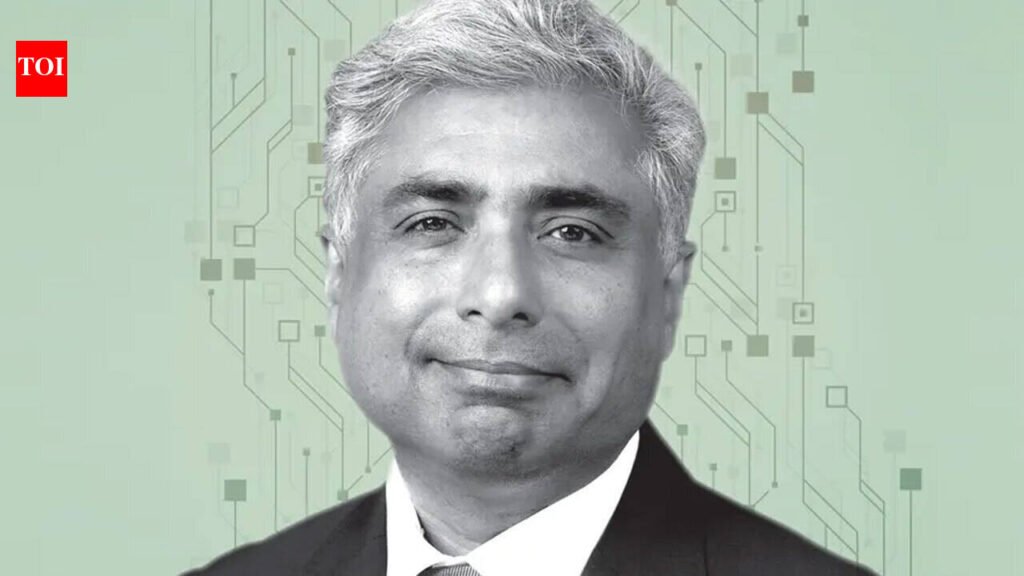
When artificial intelligence becomes more powerful, one question becomes increasingly important: how do you know whether an AI system is safe enough to deploy?That question sits at the centre of Arvind Raman’s work. An Indian-origin technology policy expert and director at the US National Institute of Standards and Technology, Raman has been recognised in TIME100 AI 2026 for his role in the emerging infrastructure around AI standards, evaluation and safety.His work represents a part of the AI ecosystem that receives less attention than model launches and billion-dollar funding rounds, but could become increasingly important as governments and companies deploy more capable systems.The people testing AIRaman serves as acting head of the US Center for AI Standards and Innovation and as a director at NIST.The centre’s role is focused on evaluating advanced AI systems, studying their capabilities and helping organisations understand potential risks.That work is different from traditional regulation. Instead of deciding what companies can or cannot build, standards and evaluation efforts can help establish ways to measure how AI systems perform.Why AI evaluation mattersAn AI model may perform impressively in a demonstration but behave differently when placed in a real-world environment.It can make factual errors, respond unpredictably to unusual inputs or behave differently after being modified.As AI systems become more capable, developers and policymakers therefore need ways to test them systematically.This is where AI evaluation becomes important.Researchers can design benchmarks and tests to examine capabilities, limitations and safety risks. The results can help developers improve systems and give policymakers more evidence when designing rules.A different route into the AI revolutionFor students, Raman’s recognition demonstrates that artificial intelligence is creating opportunities beyond software development.AI needs people who can work across technology, standards, public policy, cybersecurity and risk assessment.That is particularly relevant as governments around the world try to determine how advanced AI should be evaluated before being deployed in sensitive environments.The field is still evolving, which means today’s students may eventually work in roles that did not exist when they entered university.Why TIME included himThe 2026 TIME100 AI list deliberately goes beyond the companies building frontier models. It includes leaders, innovators, shapers and thinkers whose decisions influence how AI develops and how society responds to it.Raman’s role fits into that wider picture.The AI race is not only about who can build the smartest system. It is also about who can determine whether those systems work as intended, how their performance should be measured and what risks need to be understood before they reach millions of users.For Indian students watching the global AI industry, his journey offers another possible career path: becoming part of the technical and policy infrastructure that determines how artificial intelligence is tested and trusted.Disclaimer: This article is based on publicly available information and statements from the individuals and organisations cited. TOI Education has not independently verified all claims, technical assessments or policy positions mentioned in the article.