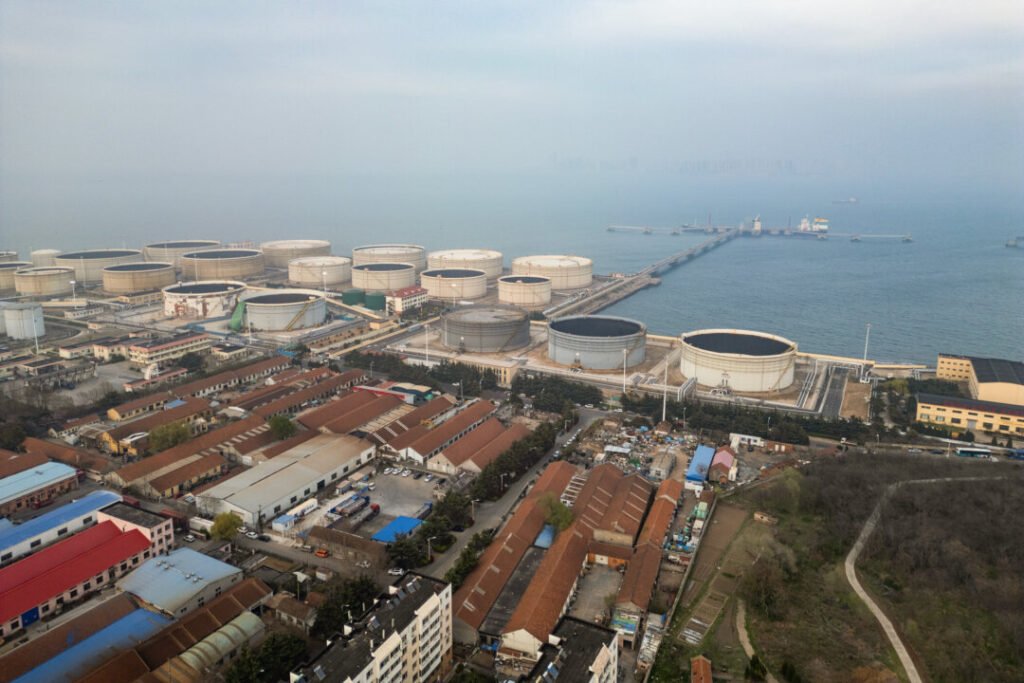
The Chinese regime is assessing the potential impact of a new round of U.S. sanctions on its financial, energy, and foreign-trade sectors as Washington expands pressure on countries and companies doing business with Iran.
The concern in Beijing is not simply that Chinese companies could lose access to the Iranian market. Chinese officials are increasingly worried that U.S. secondary sanctions could eventually target banks involved in settling transactions tied to Iranian oil, potentially disrupting China’s broader trade and financial system.
The U.S. Treasury Department on Aug. 24 announced “Operation Economic Outcast,” expanding its campaign against Iran and warning that secondary-sanctions risks could extend to areas including digital assets, gold, technology, aviation, and shipping.
The Treasury Department said countries would be given a period to wind down commercial activities identified by the United States as involving Iran. Those that fail to take action could face sanctions.
Treasury Secretary Scott Bessent has warned that banks could become targets if they participate in systems that facilitate the conversion of Iranian oil into revenue. He has also said that no country can assume it is exempt from U.S. sanctions.
Related Stories

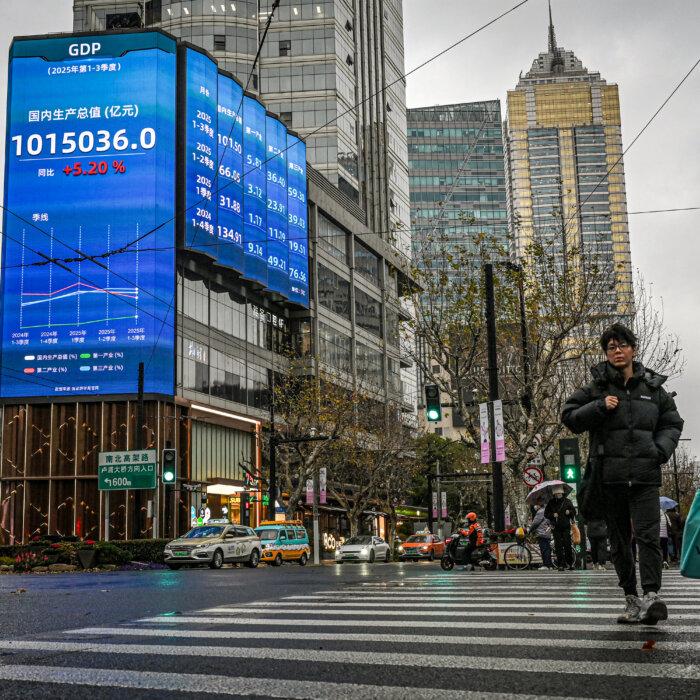
For Beijing, the prospect of sanctions affecting the financial system is particularly concerning given China’s extensive trade ties with both Iran and the United States.
Two commerce insiders and an economist based in China spoke to The Epoch Times on condition of anonymity out of fear of reprisal.
An insider within China’s Ministry of Commerce, surnamed Ma, told the publication that Chinese officials are more concerned about the expansion of sanctions into financial settlements than previous measures targeting companies and vessels.
“There are hundreds of branches of Chinese banks overseas,” Ma said. “If these banks are included in the scope of secondary sanctions, the banks will be unable to conduct business. The Chinese Communist Party (CCP) is now assessing which sectors could be affected by such sanctions.”
Banks Seen as the Critical Pressure Point
The potential exposure of Chinese banks is significant because much of China’s trade with the outside world ultimately depends on access to the international financial system and the U.S. dollar.
Ma said the Chinese regime’s Ministry of Commerce began assessing the potential duration of the U.S.–China trade conflict and the possible scope of future U.S. sanctions months ago.
“The Ministry of Commerce has been busier than the Ministry of Foreign Affairs recently. It has to prepare data for the top leadership,” he said.
“What the top leadership fears is how far the United States will go with the sanctions.
“If it only targets shipping companies or intermediaries, there are still ways to adjust. If it hits the banks, the problem will be serious. This will involve domestic import and export companies. We cannot lose dollar settlement and the U.S. market just for the Iranian market.”
That dilemma reflects the broader challenge facing Beijing. China has strategic and energy ties with Iran, but its economy remains deeply connected to the global financial system dominated by the dollar.
Bessent has said that institutions that help Iran evade sanctions or monetize its oil revenues could face the risk of being cut off from the U.S. financial system.
For Chinese companies engaged in international trade, the immediate concern is how banks will respond, even before Washington imposes sanctions on them directly.
A Beijing-based insider in China’s foreign trade sector told The Epoch Times that Chinese companies are watching for both new U.S. sanctions lists and tougher risk controls by Chinese banks.
“The disruption is certain. If there is a destructive blow, the consequences for people engaged in foreign trade in China will be catastrophic,” the insider said.
He said banks may block transactions simply because they fear that a customer’s dealings could expose them to U.S. sanctions.
“Many companies now don’t dare to do business directly with Iranian companies,” he said.
According to the insider, Chinese banks have recently warned companies to avoid transactions that could attract U.S. scrutiny.
China Weighs Risks of Iran Trade
The Chinese regime has not announced a specific response to the latest U.S. measures.
An economist in China told The Epoch Times that Beijing faces a difficult choice. It wants to preserve its energy and strategic relationship with Iran while avoiding exposing major Chinese financial institutions to the risk of being excluded from the U.S.-dominated global financial system.
“[I think] The United States knows that the real power is to make companies in third countries choose for themselves,” the economist said. “Do they want the Iranian market or the U.S. market?”
Zhao said the internal assessment was less about preparing to confront Washington than determining whether China could withstand the economic consequences.
For now, the United States has not imposed sanctions on China’s major banks over their involvement in Iranian oil transactions.
Bessent said Washington would give affected parties time to make adjustments and said the administration did not want to destabilize the global financial system. At the same time, he warned that the United States would soon move forward with the measures.
For Beijing, that leaves a narrowing window to determine how much of its trade with Iran it can preserve without putting its banks and broader access to the U.S. financial system at risk.
Jiang Fei contributed to this report.