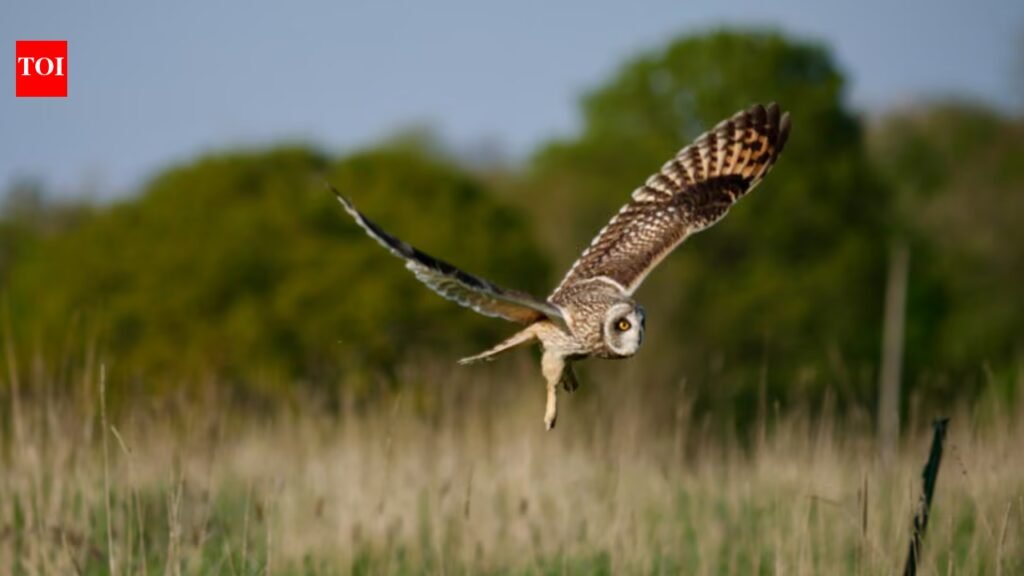
A former dairy farm in the UK has undergone a striking transformation after humans stepped back and allowed natural processes to reshape the land. At Heal Somerset, a 460-acre site in Somerset acquired by the rewilding charity Heal in December 2022, the first three years of nature recovery have brought a notable increase in wildlife. The number of recorded bird species has risen from 67 to 94, while butterfly species have increased from 11 to 24. The site has also recorded at least 15 bat species and 60 breeding bird species. The results, documented in Heal Somerset’s first State of Nature report, offer an early glimpse of what can happen when a landscape previously managed as farmland is given greater space for nature to recover.
How a UK dairy farm became a rewilding project
Heal Somerset was acquired by the rewilding charity Heal Rewilding in December 2022, with nature recovery beginning in 2023. The 460-acre property had previously been operated as a dairy farm, but the organisation wanted to transform it into a landscape where natural processes could play a much greater role. Instead of continuing intensive farming, the project began moving the land towards rewilding, while retaining ecological monitoring and carrying out management where necessary. The aim was not simply to create a wildlife reserve but to allow habitats and ecological processes to develop over time. The Somerset project is also part of Heal Rewilding’s broader effort to demonstrate how degraded or intensively managed farmland can contribute to nature recovery in England.
Bird species increased from 67 to 94
The clearest early change has been recorded among birds. When monitoring began, 67 bird species were recorded at the site. Three years later, that figure had reached 94, meaning 27 additional species had been recorded. The increase does not necessarily mean that every one of those species established a permanent breeding population, but it demonstrates a substantial expansion in the range of birds using the landscape. The site now supports at least 60 breeding bird species, while the wider monitoring programme has also recorded species associated with a variety of habitats. Heal’s approach is to continue monitoring these changes so that future surveys can show whether the early gains develop into longer-term population recovery.
Butterfly diversity more than doubled
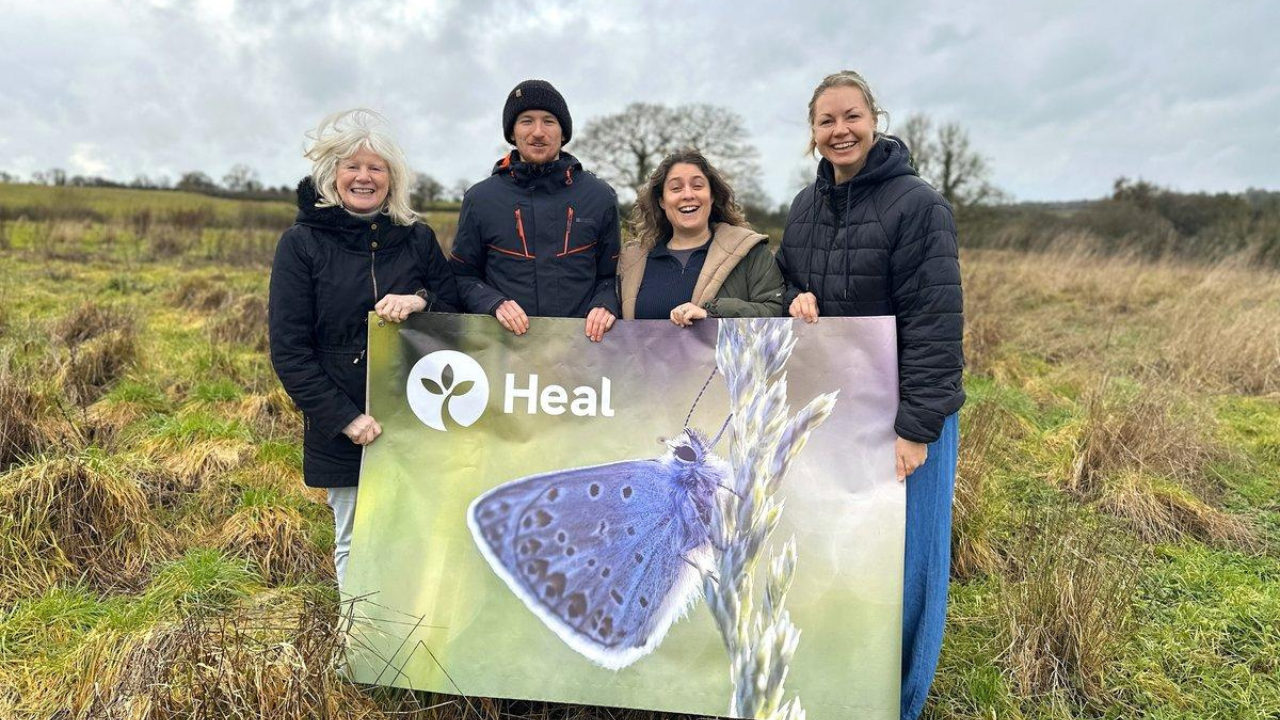
Butterflies have shown an equally striking change. The number of butterfly species recorded at Heal Somerset increased from 11 to 24 during the three-year period, meaning the number of recorded species more than doubled. Such changes are significant because butterflies can respond relatively quickly to changes in vegetation and habitat structure, making them useful indicators of ecological conditions. The increase forms part of a wider picture of biodiversity recovery at the site, where monitoring has also documented bats and other small mammals. Rather than focusing on a single species, Heal’s State of Nature report is designed to examine changes across different groups of wildlife and establish a baseline against which future ecological recovery can be measured.
What happens when nature is given more space
The project is based on the idea that rewilding does not always require humans to constantly manage every part of an ecosystem. Heal describes its approach as giving nature the space and time to lead the recovery process. That does not mean abandoning the land completely. The organisation continues ecological monitoring and undertakes necessary management, while also developing habitats and infrastructure that support wildlife and allow people to engage with the project. The approach is intended to rebuild wildlife populations, improve ecosystem resilience and reconnect communities with nature. Healthy ecosystems can also help regulate water flows, store carbon and improve soil structure, potentially making landscapes more resilient to climate extremes such as flooding and heatwaves.
Next few years could matter even more
Heal Somerset’s three-year results are an early snapshot rather than proof that the entire ecosystem has already been restored. The charity itself plans to continue collecting ecological data and compare future results with the 2026 baseline. That long-term monitoring will be important because some changes may accelerate while others could take many years to become visible. The site also provides an opportunity to examine whether rewilding can deliver measurable biodiversity gains on land previously used for agriculture. For now, the jump from 67 to 94 recorded bird species and from 11 to 24 butterfly species provides a striking early indication that a landscape can change rapidly when intensive farming is replaced by a more nature-led approach. Heal plans to use the lessons from Somerset as it works towards establishing additional rewilding sites across England.