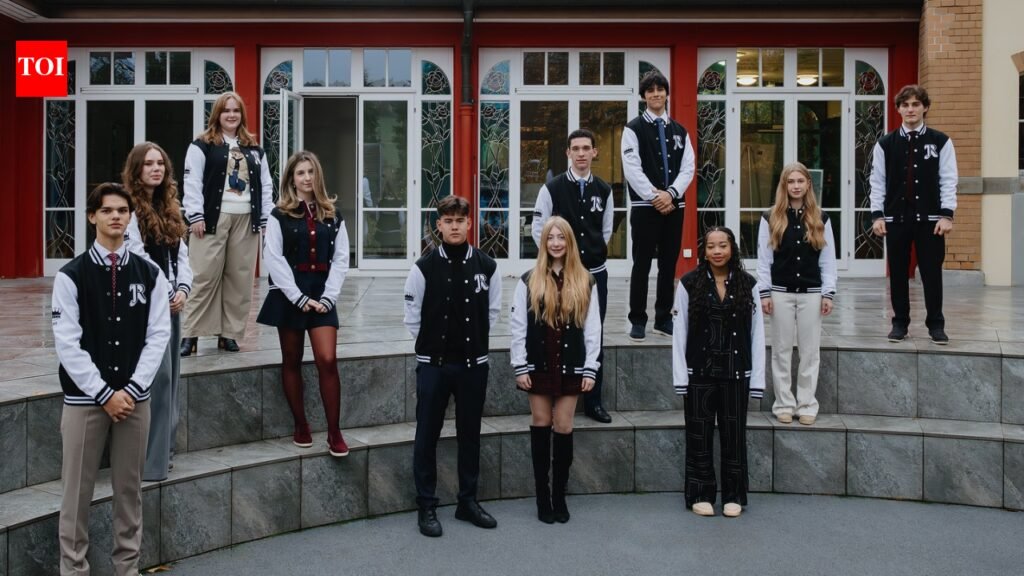
For the children of kings, billionaires and some of the world’s most powerful families, school can be a very different experience. Their education may take place beside Lake Geneva, their winter months may be spent in the Swiss Alps, and their classmates may include heirs to fortunes and members of royal families from across the world. But the appeal of Switzerland’s most exclusive boarding schools goes beyond beautiful campuses and luxury. For generations, these institutions have offered wealthy families a combination of international education, independence, security, and something that money alone cannot easily buy: access to an influential global network.
A long association with the world’s elite
Switzerland has been attracting wealthy international families to its boarding schools for more than a century. One of the most famous names is Institut Le Rosey, founded in 1880 near Rolle.
28 Jul 2026 | 16:22
How do you teach children about money and financial responsibility?
According to The Journal, Le Rosey’s former students have included the last Shah of Iran, the Aga Khan, King Albert II of Belgium and Prince Rainier of Monaco. Members of the royal families of Egypt, Greece, Yugoslavia, Italy, and Britain have also reportedly attended, along with children from prominent American families such as the Rothschilds, Rockefellers, and du Ponts.
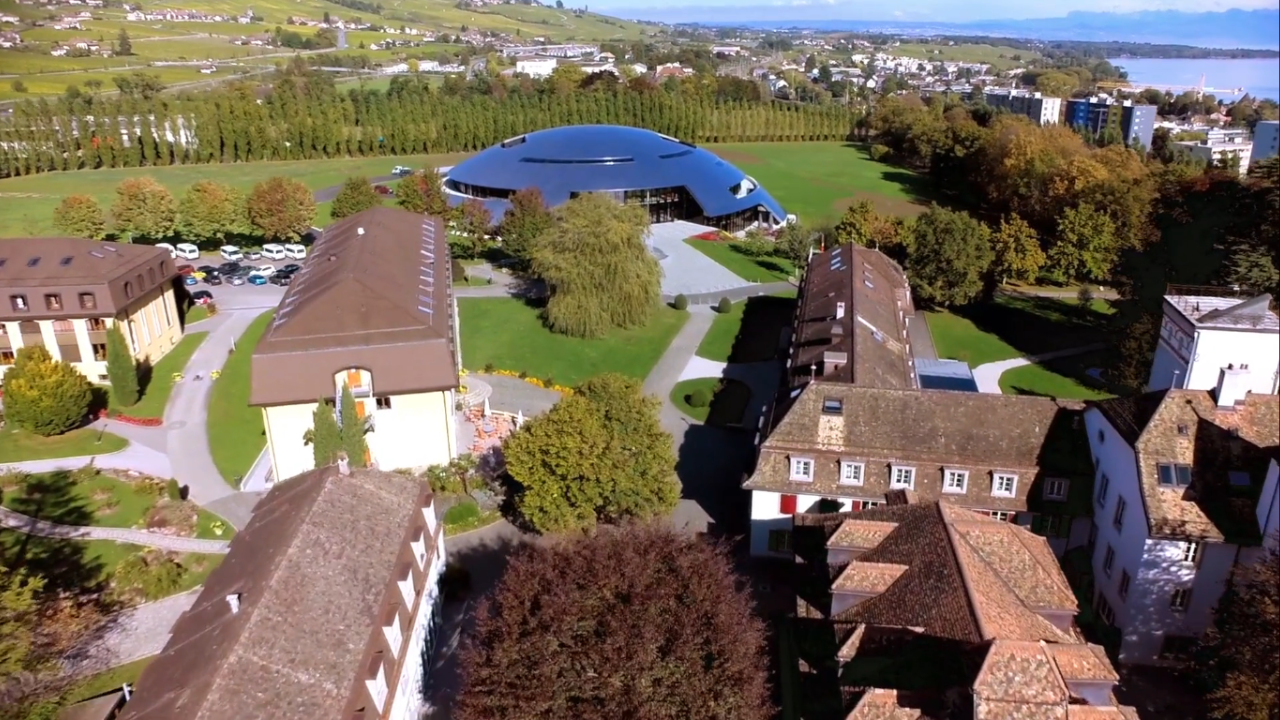
Photo: Institut Le Rosey
The school’s reputation has therefore been built over decades. For families accustomed to moving in diplomatic, political or business circles, sending a child to a school with such an established international community can offer a sense of familiarity and continuity.
What are parents actually paying for?
The answer is not simply a prestigious school uniform or a grand campus. Luxury Tribune, in a March 2026 report on Swiss boarding schools, noted that the country is home to around 15 private boarding schools that charge some of the world’s highest tuition fees. At Le Rosey, tuition for the 2026-27 academic year is reported at USD 159,600.In return, students get an education designed to be international from the beginning. Luxury Tribune reports that around 70% of students in Swiss private schools are foreign nationals. Many schools offer international curricula, extensive extracurricular programmes and personalised development opportunities. About 80% of students are reported to go on to universities in the UK or US.For a child growing up in a family with international business interests, that environment can be particularly useful. Instead of being surrounded mainly by students from one country, they grow up alongside classmates from different parts of the world.
Life at a Swiss boarding school is about more than classrooms
Le Rosey provides a good example of what makes these schools unusual. According to The Journal, the school operates across two campuses- one in Rolle beside Lake Geneva and another in Gstaad, a well-known Swiss ski destination, during the winter term. Its curriculum is bilingual in French and English, while students take part in sports such as skiing, snowboarding, horse riding, tennis and dance.The school also places considerable emphasis on experiences outside the classroom. Students have taken part in art and theatre trips around Europe, cultural excursions and humanitarian journeys to countries including India and African nations, according to The Journal.The idea is to expose students to different cultures while giving them the confidence to move comfortably in unfamiliar surroundings.
The international mix is a major attraction
One of the strongest selling points of Swiss boarding schools is the diversity of their student population.Christophe-Xavier Clivaz, founder of Swiss Learning, told Luxury Tribune that parents are looking for a “safe, stable, and consistent environment” and described the mix of nationalities as one of Switzerland’s major advantages.That diversity can become part of a child’s education in itself.A student might share a dormitory with someone from another continent, learn languages alongside classmates with completely different backgrounds and spend holidays or school trips travelling with an international group of friends. For children who may eventually inherit multinational businesses or work in international organisations, this kind of exposure can be valuable.
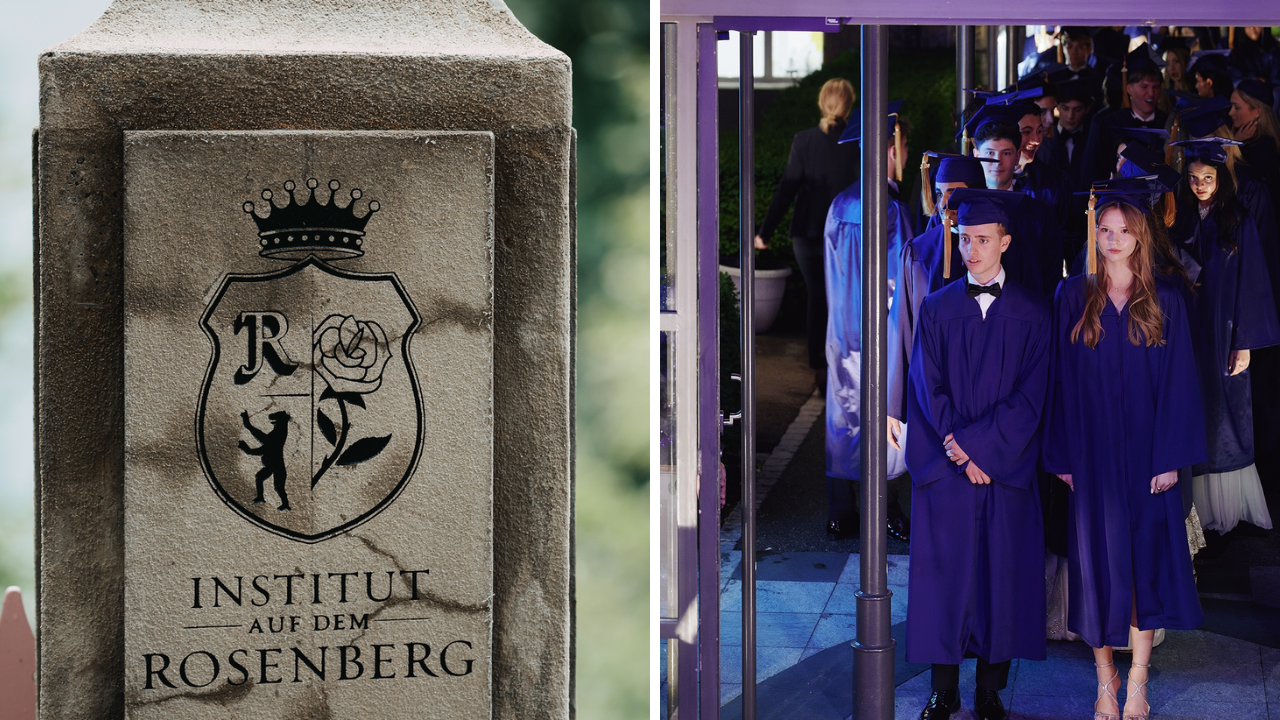
Photo: Instagram/Institut auf dem Rosenberg
And then there is the network
This is perhaps the less visible part of the appeal. A school can provide knowledge, qualifications and skills. An elite boarding school can also provide years of close contact with children from influential families.The Journal noted the extensive alumni network associated with Le Rosey, with thousands of former students belonging to its alumni association. Its former pupils include members of royal families, wealthy business dynasties and prominent international figures.Luxury Tribune similarly argues that Swiss boarding schools offer something beyond academic education: students graduate with an international network built through years of living and studying together.For wealthy families, this can matter. A child who grows up alongside future entrepreneurs, financiers, diplomats or heirs to major businesses may carry those relationships into adulthood.
Switzerland itself is part of the attraction
The location is not incidental. Many of these schools are situated around Lake Geneva or in the Swiss Alps, giving them an identity closely tied to the country’s landscape and reputation. The combination of privacy, stability and picturesque surroundings has long been part of the appeal of Swiss education.Luxury Tribune describes Switzerland as a country known for strong infrastructure and education, while also highlighting its reputation as a safe and stable environment for international families.For parents who spend much of their lives travelling between countries, a school in Switzerland can offer children a relatively consistent base.
A tradition that has lasted generations
There is also a historical element to the phenomenon. Swiss boarding schools developed a reputation among wealthy international families long before today’s billionaires became a familiar part of popular culture. The Journal’s account of Le Rosey shows how deeply the tradition is rooted, with the school counting royalty and old-money families among its former students.That history has become part of the schools’ appeal. A family choosing one of these institutions is not simply selecting a school; it is entering an educational tradition that has been associated with international elites for generations.This is also why the attraction cannot be explained by luxury alone. A beautiful campus can be replicated. An international curriculum can be found elsewhere. But a school with more than a century of history, a recognised name and an established alumni community is much harder to reproduce.
So why do the world’s richest families choose them?
For some parents, it may be the quality of education. For others, it may be the bilingual or international environment, the emphasis on sports and cultural experiences, or the stability Switzerland offers. For others still, the opportunity to build friendships with children from families across the world may be an important part of the decision.And, of course, the price means these schools remain inaccessible to most families.What makes Swiss boarding schools distinctive is the way all these elements come together. Education, travel, independence, languages, tradition and social connections are woven into the same experience.That may explain why the attraction has survived for so long. The children of today’s billionaires are entering institutions where generations of wealthy and powerful families have sent their own children before them- making Swiss boarding schools not merely places to study, but part of a long-standing international tradition of elite education.