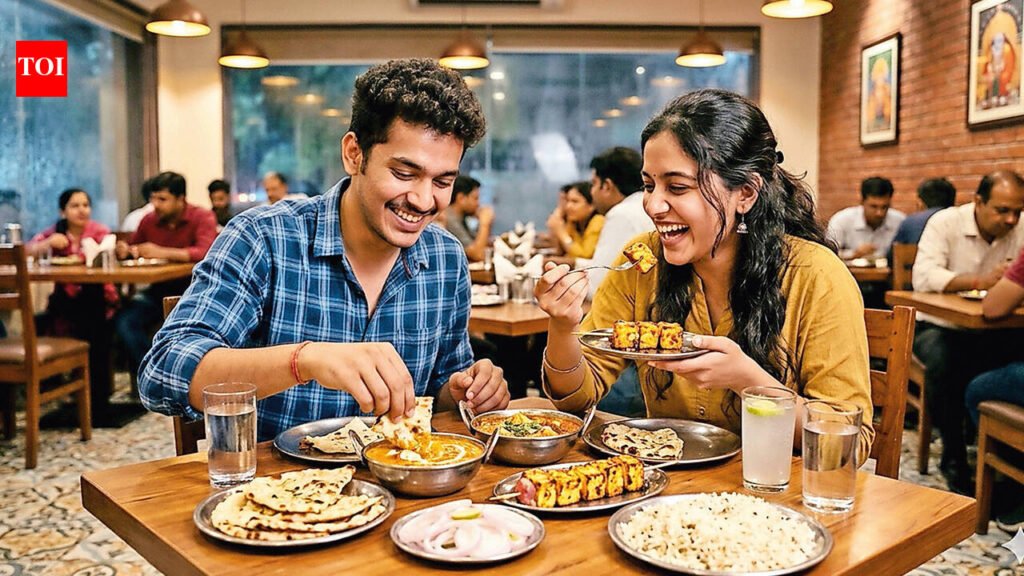

When the milkman’s canister still steams on a winter morning, and a dollop of ghee perfumed with caramelised milk finds its way into the city’s biryani, Lucknow’s food memory speaks for itself. That memory is now part of a public fight. On August 15, the Yogi Adityanath government joined Maharashtra, Gujarat and Chhattisgarh in restricting analogue paneer and went a step further by outlawing analogue ghee and khoya across the state. Framed as a crackdown on adulteration and mislabelling, the order is as much cultural as it is regulatory.Hefty fines for ban violationThe UP order bans the sale of analogue paneer, ghee and khoya in retail packs, eateries, hotels and catering services across the state. Violations can invite up to six months’ imprisonment and fines of ₹1 lakh, with substantially harsher consequences where adulterated food results in harm or death. The State Food Safety Department has started focused inspections targeting wedding hubs, industrial canteens, railway catering and cloud kitchens.
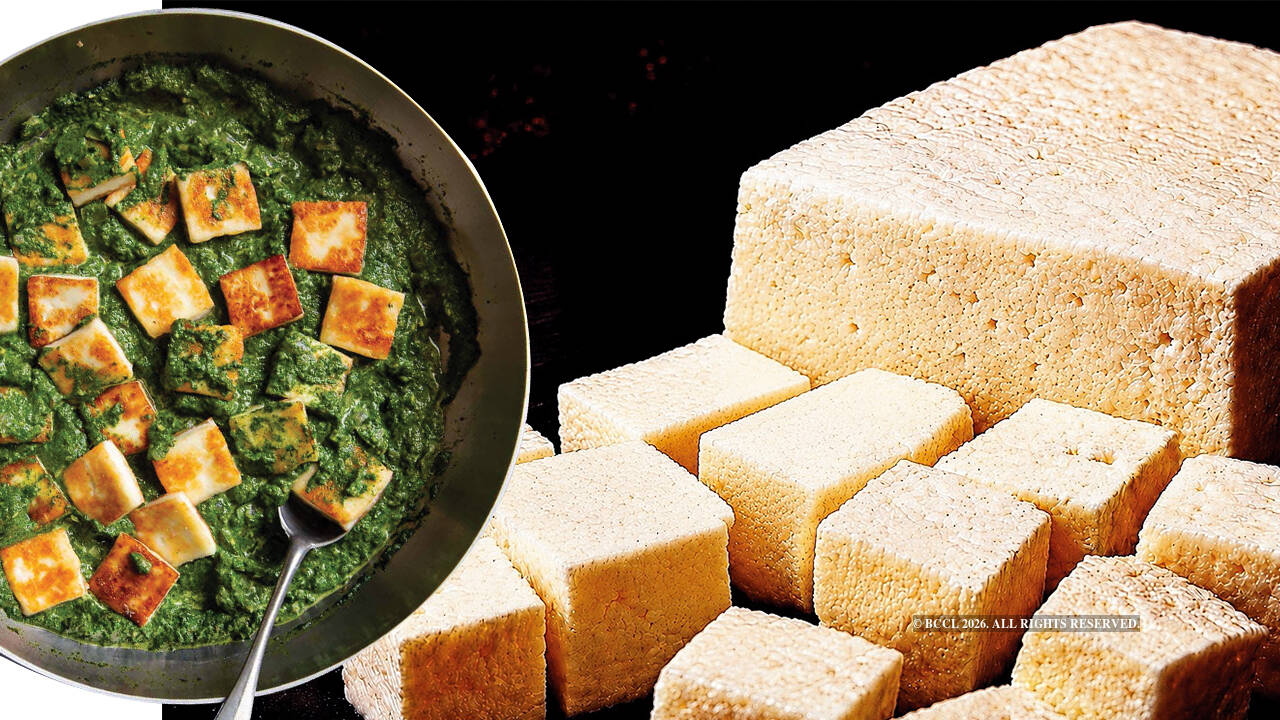
Representational image, created using AI, for illustrative purposes only (BCCL/ LT AI imagery)
Analogue foods are industrial alternatives designed to mimic the look, texture and mouthfeel of dairy while substituting some or, in some cases, all milk components with vegetable oils, starches and plant proteins. Analogue paneer can be made using vegetable fats, starches, plant proteins, emulsifiers and stabilisers, while analogue ghee relies on refined vegetable fats formulated to resemble clarified butter. Such products can be manufactured and sold when they meet applicable food-safety requirements and are clearly identified as analogue or non-dairy products. The controversy begins when they are passed off as the real thing.“For a city like Lucknow, where dairy is an integral part of the culinary tradition, mislabelling is a form of consumer fraud. Selling vegetable fat as ghee or starch-based products as paneer amounts to cheating consumers,” says a senior FSSAI official based in Lucknow.The nutritional difference, however, depends on formulation. Traditional paneer naturally provides milk proteins, milk fat, calcium and other nutrients contributed by milk. Analogue paneer does not have one fixed nutritional profile; its protein, fat, carbohydrate and calorie content can vary depending on the ingredients used.“From a nutritional standpoint, the decision is a good step to keep track of what is being sold as paneer. Analogue paneer is not inherently unhealthy if made with permitted ingredients and in compliance with food-safety standards. However, unlike milk-based paneer, it has no fixed nutritional profile, so its protein, fat, carbohydrate and calorie content can vary with the formulation. The concern arises when it is misrepresented as milk-based paneer or does not meet prescribed guidelines. The focus should therefore be on standardisation, strict regulation and clear labelling so consumers know what they are buying or being served,” says Rabab Maryam, nutritionist and wellness coach.
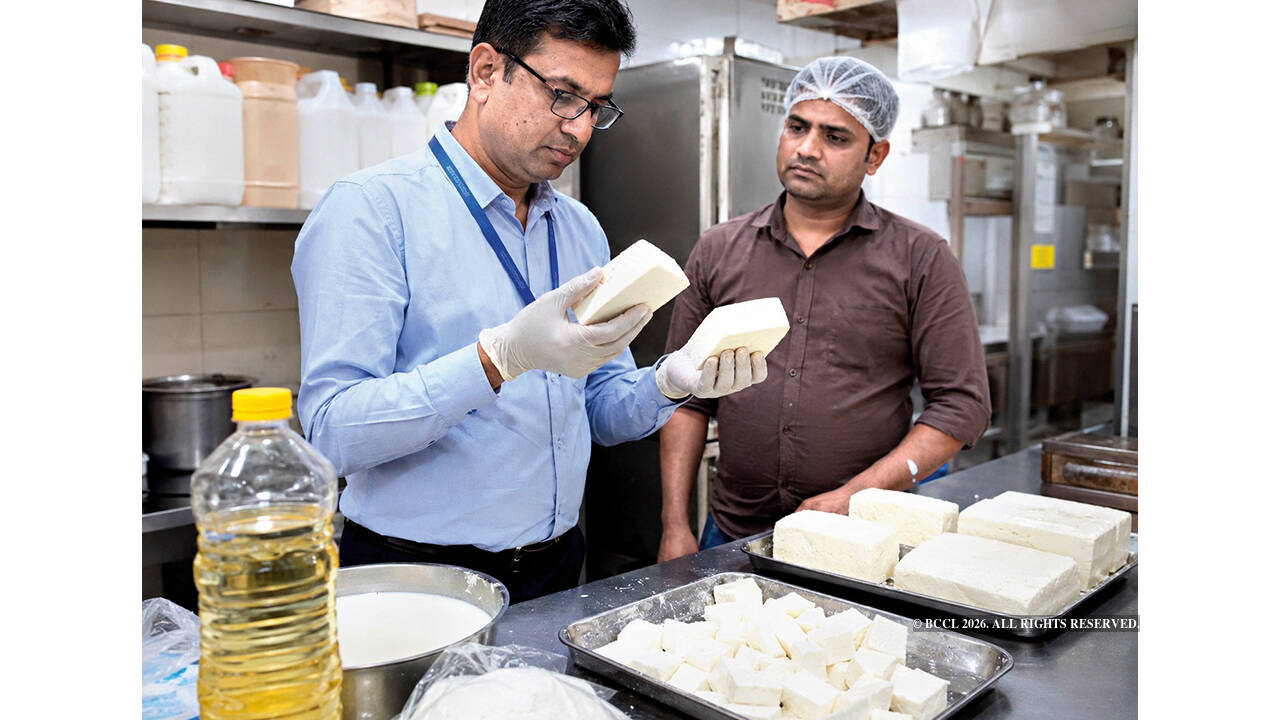
Representational image, created using AI, for illustrative purposes only (BCCL/ LT AI imagery)
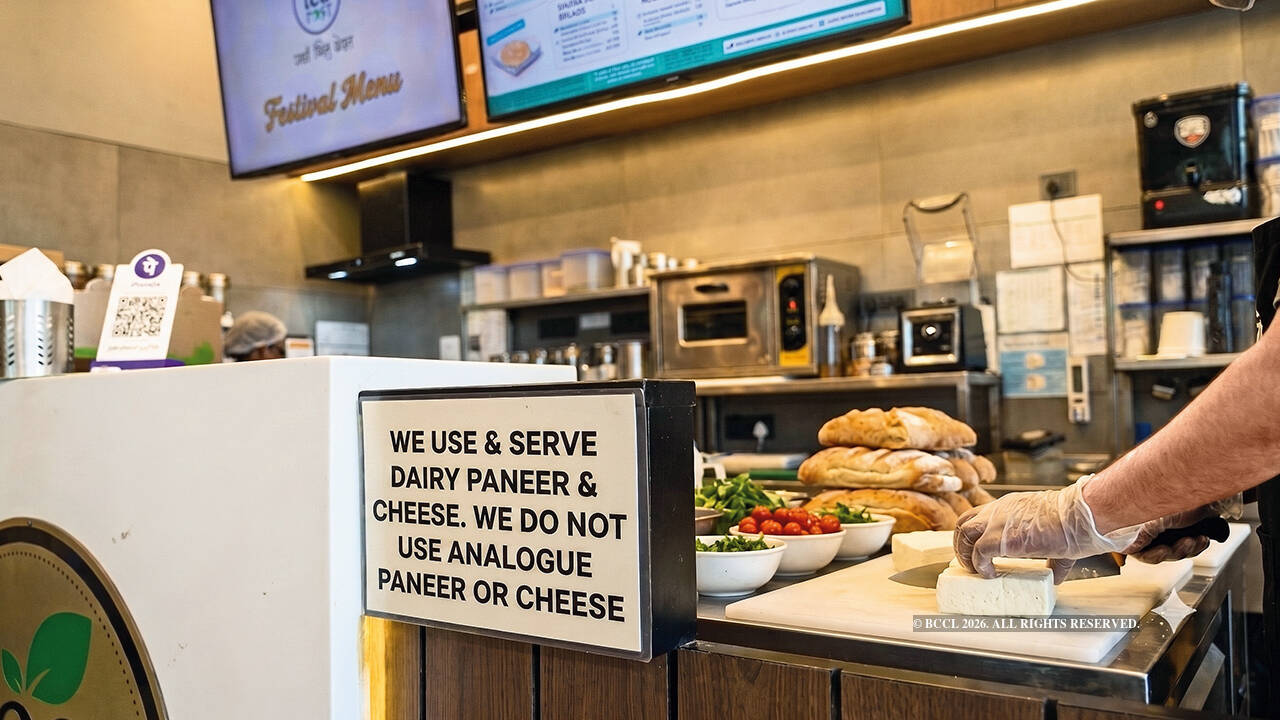
Eateries owners on what the ban means for themRestaurant owners welcomed the move, calling it a positive step for food quality and transparency. “The ban on analogue and adulterated paneer is a good decision. Restaurants using analogue paneer used to offer it at a lower cost, creating an unfair price difference. However, the move could also impact prices and eventually reflect in menus. We source our paneer from a halwai, which allows us to monitor the quality and know what goes into it,” says Vardan Kesarwani, owner of a cafe food chain in Lucknow.Another restaurant owner says, “A customer cannot differentiate between analogue and normal milk-based paneer once it is served. Hence the decision is a good step to ensure vendors are more careful about what they supply. ”The ban on analogue and adulterated paneer is a good decision as it will discourage vendors from supplying such products. Restaurants using analogue paneer used to offer it at a lower cost, creating an unfair price difference– Vardan Kesarwani, owner of a cafe food chain in Lucknow
(BCCL/ LT AI imagery)
Paneer vs analogue: Nutrition ValueTraditional paneer (per 100g, approx.)
- Protein: 18–20g
- Calcium: 200–250mg
- Fat: 20–22g (milk fat)
- Carbs: 2–4g
Analogue paneer (per 100g, approx.)
- Protein: 8–10g
- Calcium: Minimal (unless fortified)
- Fat: 15–20g (vegetable oil)
- Carbs: 15–25g (starch, fillers)
For consumers, vigilance is now as necessary as appetite:
- Read the label: Genuine milk-based paneer should identify milk or milk-derived ingredients. Terms such as vegetable oil, starch or plant protein can indicate that a product is not conventional dairy paneer.
- Check the nutrition panel: Compare protein, fat, carbohydrate and calorie values rather than relying solely on appearance or texture.
- Ask questions: At hotels, caterers and cloud kitchens, ask whether the paneer being served is milk-based or an analogue product.
- Be wary of unusually low prices: A significantly lower price can warrant questions about the product’s ingredients and source.
-Amina Ashraf