This article includes affiliate links, which may earn us a commission, to support truthful and independent journalism at no extra cost to you. Prices, discounts, product details, and availability can change; verify current terms before buying.
Two quiet forces dictate our independence as we age: how well our hands function and how sharp our minds remain.
Science shows these two elements are deeply connected. In the brain’s motor and sensory mapping (a concept known as the cortical homunculus), our hands take up significantly more brain real estate than the entire torso. Every time your fingers pinch a needle, hold a paintbrush, or manipulate a puzzle piece, your brain isn’t just flexing muscles – it is actively training memory, spatial reasoning, and attention.
This is why geriatric specialists recommend hands-on hobbies over passive pastimes like watching television. Fine motor tasks preserve the dexterity needed for daily living – like buttoning a shirt, turning a key, or opening a jar. Simultaneously, the problem-solving required by these hobbies builds cognitive reserve, creating a crucial neural buffer against memory loss and cognitive decline.
The activities below were chosen because they sit at the intersection of both benefits – they ask the hands to do something skillful while the brain does something demanding. Each one offers a slightly different combination of dexterity work and mental engagement, so a well-rounded routine might draw from several categories rather than just one.
1. Playing a Musical Instrument
Whether playing the piano, ukulele, acoustic guitar, or recorder, playing an instrument is one of the most comprehensive workouts for both hands and brain.
- For the Joins: Playing an instrument – piano, guitar, ukulele, or even a simple keyboard – demands independent finger movement, a skill that tends to erode with age if unused. Each finger has to move with a different amount of pressure, timing, and sequence than its neighbors, which is a far more complex demand than most everyday tasks placed on the hand.
- For the brain: Music is one of the few activities that engages both hemispheres of the brain simultaneously – reading notation (visual-spatial), timing and rhythm (temporal processing), and emotional interpretation (limbic system) all fire together. Studies on musicians consistently show denser connections between brain hemispheres via the corpus callosum, and learning an instrument later in life has been associated with better working memory and processing speed.
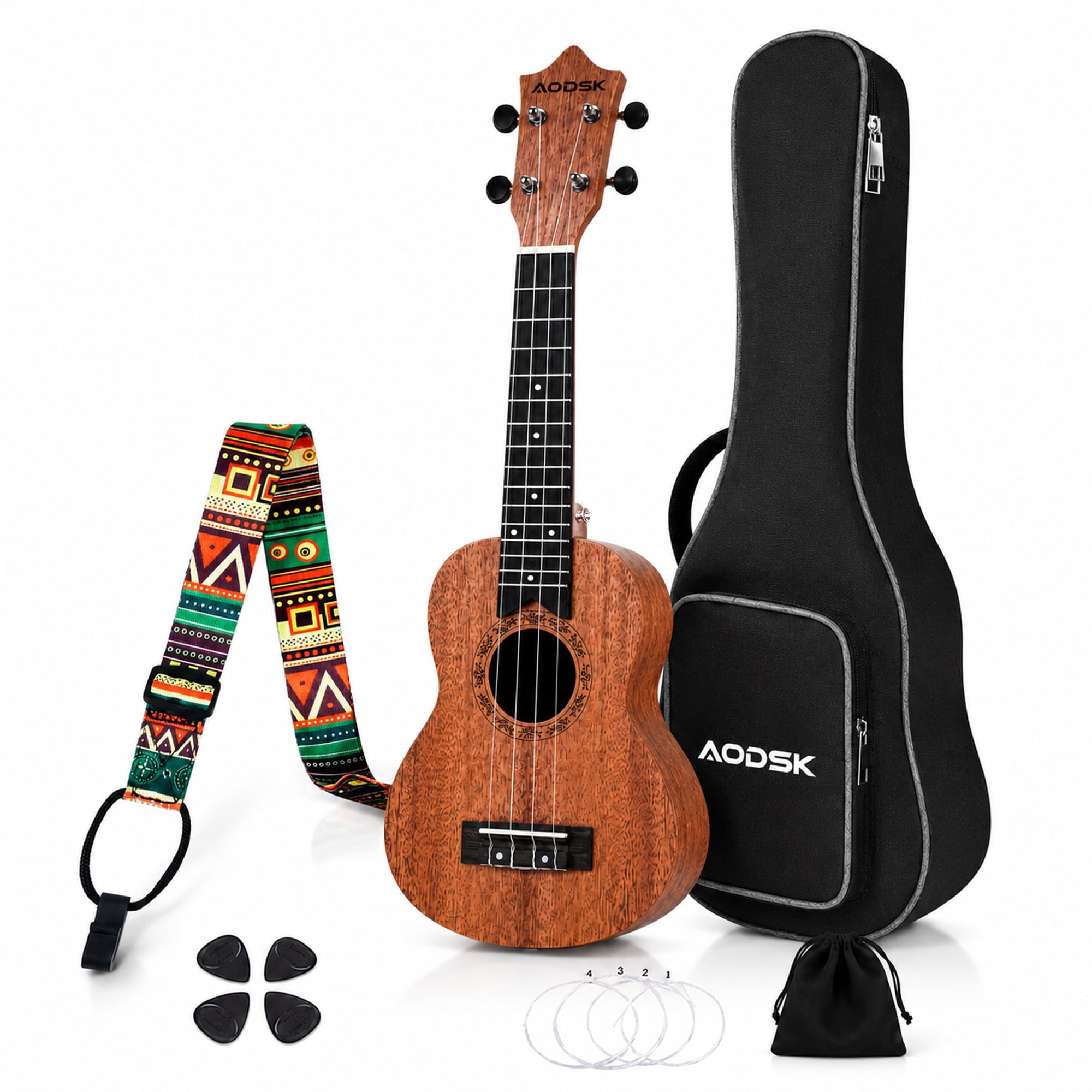


The piano may look intimidating, but it’s actually one of the more approachable instruments for beginners. The keys are laid out plainly in front of you, and once you grasp some basic music theory, playing simple chords comes quickly. For elderly learners, an electronic keyboard is often an even better starting point, since its lighter, softer keys are gentler on the fingers and joints. Either way, the instrument’s popularity means no shortage of instructors and practice books to guide you along.
2. Physical Jigsaw Puzzles
Working on physical jigsaw puzzles (especially 300 to 1,000 piece sets with easy-to-grip pieces) provides targeted physical and mental engagement.
- For the Joins: Puzzling requires a very specific and repetitive pincer grip – picking up small, often irregularly shaped pieces and rotating them precisely to test fit. This is one of the few common hobbies that trains fine visual-motor coordination in a low-pressure, low-frustration way.
- For the brain: Puzzles are a pure exercise in visual-spatial reasoning and pattern matching. The brain has to hold a mental image of the target picture, scan for color and shape cues, and constantly revise hypotheses about where a piece belongs – a process that engages the prefrontal cortex and has been linked in research to better spatial cognition in older adults.


More puzzles and puzzle accessaries here
3. Tactile Crafts (Knitting, Crocheting, or Beadwork)
Needlework and crafting require continuous, coordinated hand movements while following intricate creative patterns.
- For the Joins: These crafts involve continuous, rhythmic fine motor repetition – looping yarn, threading a hook, or stringing tiny beads – which builds sustained grip endurance and finger dexterity in a way few other hobbies do. The repetitive nature also makes it one of the gentler options for people managing mild arthritis, since the motion, once learned, requires little sudden force.
- For the brain: Following a pattern (a knitting chart, a crochet stitch count, a beading sequence) draws on working memory and sequential processing, while the repetitive motion itself has a documented calming effect – some occupational therapy programs use knitting specifically as a tool for anxiety reduction and focus-building, similar to how meditation trains sustained attention.



4. Card Games and Tile Games (Mahjong, Rummikub, Bridge)
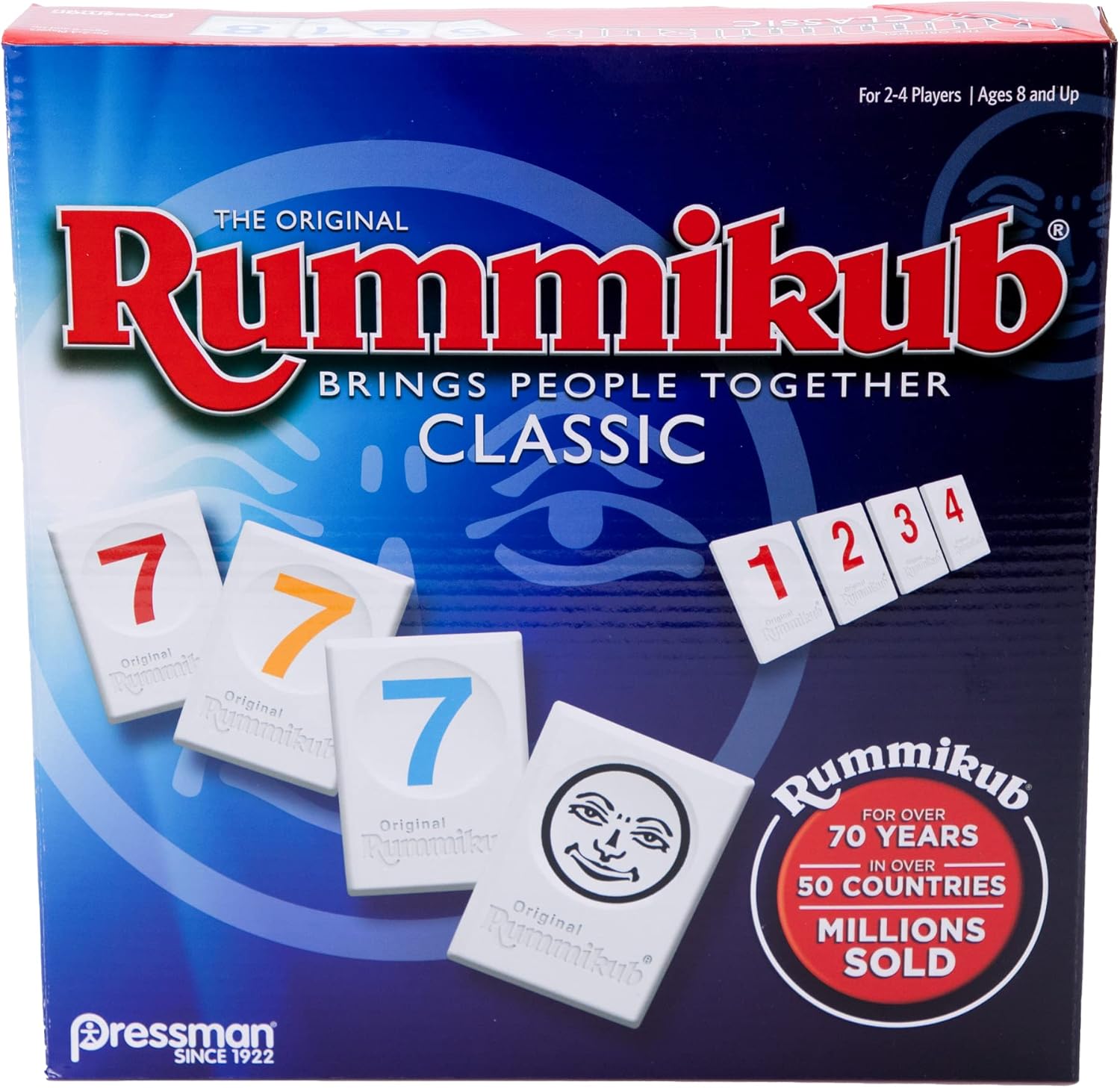
Traditional tabletop games that involve holding, shuffling, and arranging physical tiles or cards keep the hands moving while challenging strategy.
- For the Joins: Shuffling cards, fanning out a hand, or manipulating thick Mahjong or Rummikub tiles builds dexterity, finger strength, and grip control.
- For the brain: Requires strategic thinking, probability assessment, active working memory, and social processing when played with others.
5. Painting and Drawing
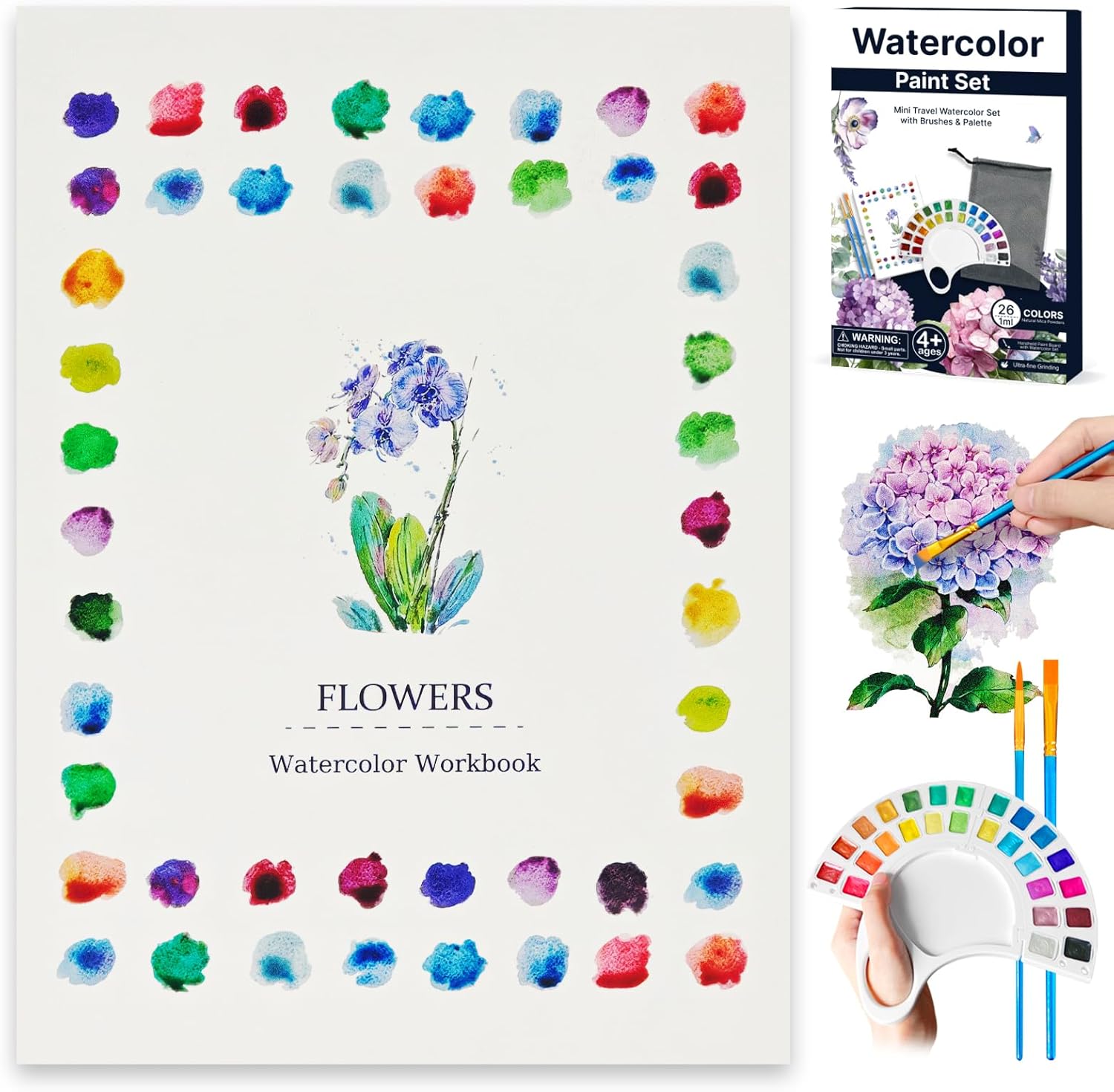
Whether using watercolors, acrylics, colored pencils, or charcoal, visual arts require precise hand-eye coordination while stimulating creative problem-solving.
- For the Joins: Painting and drawing train fine motor control through sustained, controlled pressure and small directional movements – very different from the gross gripping motions of most hobbies. Watercolor in particular teaches a light, controlled touch, while colored pencil work builds sustained precision grip.
- For the brain: Creating visual art activates the brain’s capacity for open-ended, non-verbal problem solving – deciding on color, composition, and proportion without a “correct” answer, which is a distinct cognitive mode from the pattern-matching of puzzles or the memory recall of card games. Art-making has also been specifically studied in dementia and Parkinson’s populations, where it’s shown to support emotional expression and mood even as other cognitive skills decline.




6. Origami & Paper Crafts
Folding paper, quilling, or assembling paper crafts requires deliberate, precise movements combined with strict spatial visual awareness.
- For the Joins: Origami demands extremely precise, deliberate finger pressure – each fold has to be creased exactly, often along lines the eye has to locate by feel as much as sight. It’s a subtler, more controlled kind of dexterity work than crafts involving tools like needles or hooks, making it a good option for people who want fine motor practice without gripping an implement at all.
- For the brain: Origami is essentially sequential spatial problem-solving – each fold changes the shape in a way that has to be tracked mentally to complete the next step correctly, similar to following a recipe or a multi-step map. This kind of step-by-step spatial sequencing is a distinct cognitive skill from the open-ended creativity of painting or the pattern recognition of puzzles, and it’s been used in some occupational therapy settings specifically to rebuild fine motor precision after hand injuries or strokes


7. Cooking & Baking
Preparing a recipe from scratch – especially baking, knead-work, measuring, and decorating – is a rich multi-sensory activity for mind and body.
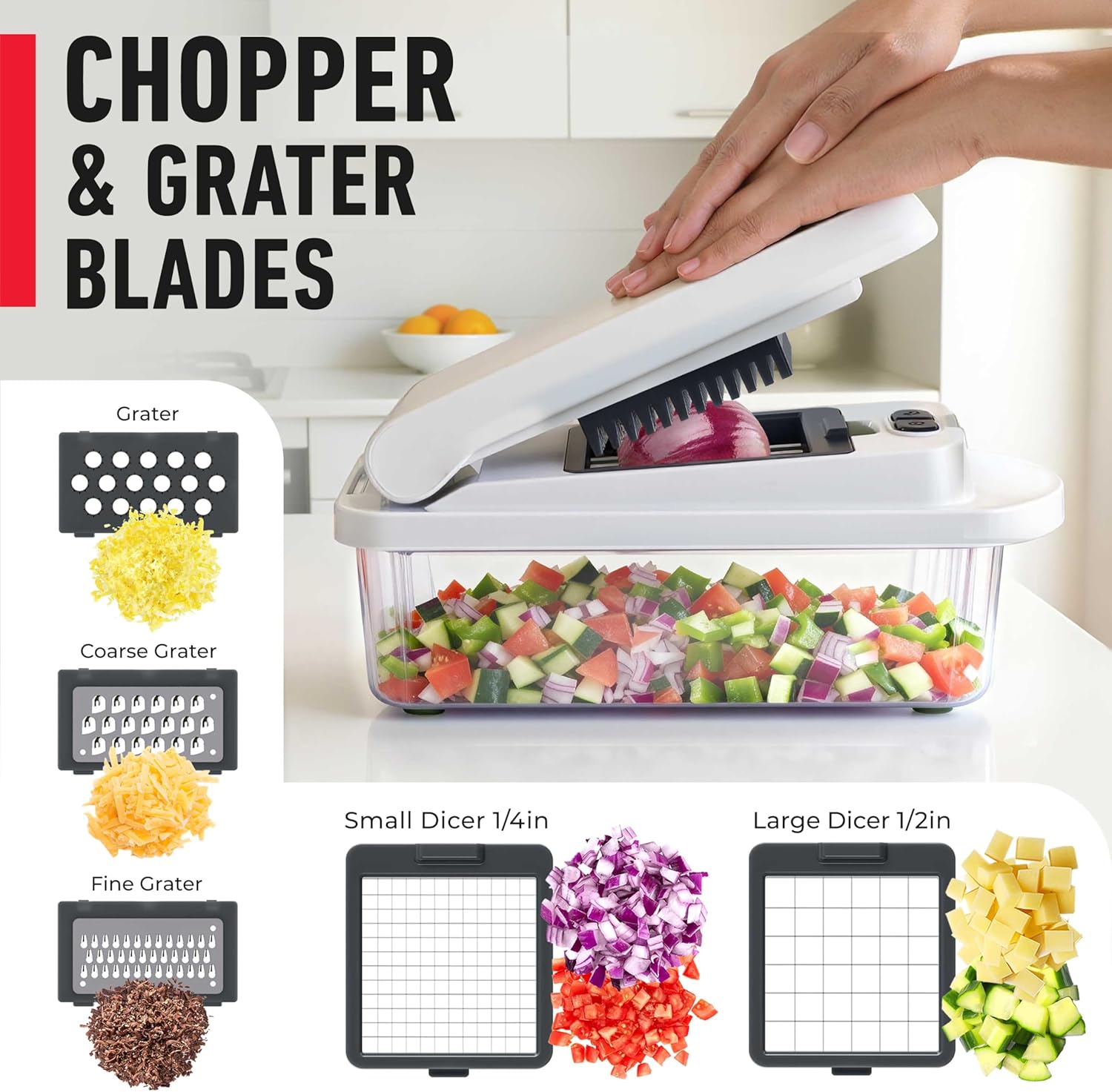
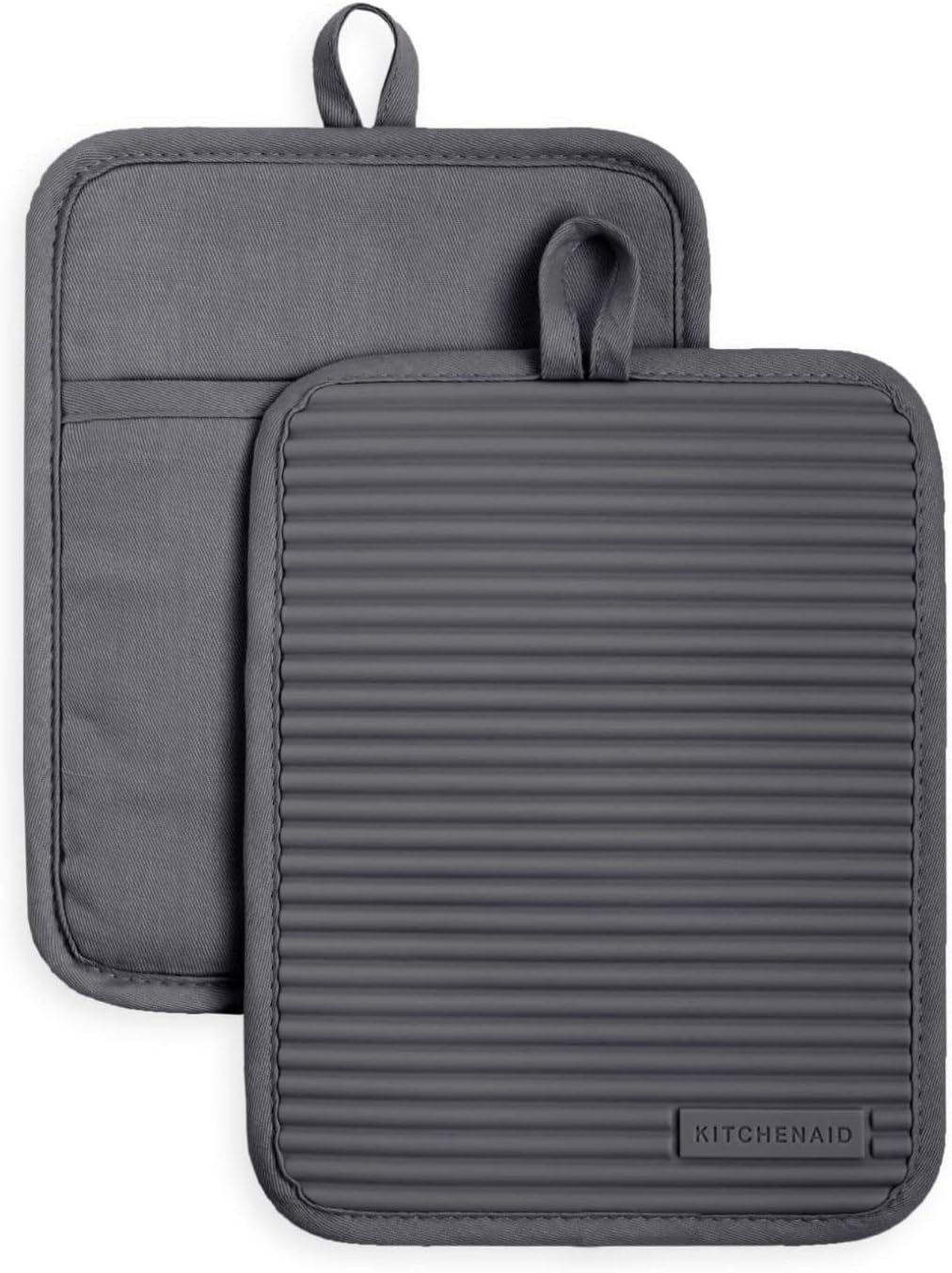
- For the Joins: Kneading soft dough, rolling pastry, measuring out ingredients, whisking, and peeling fruits/vegetables promote active finger flexion, wrist rotation, and grip endurance.
- For the brain: Cooking engages math and working memory (halving or doubling recipes), time management (coordinating multiple cooking steps), sensory stimulation (smell and taste), and procedural memory to execute steps in correct order.



8. Gardening & Potting Plants
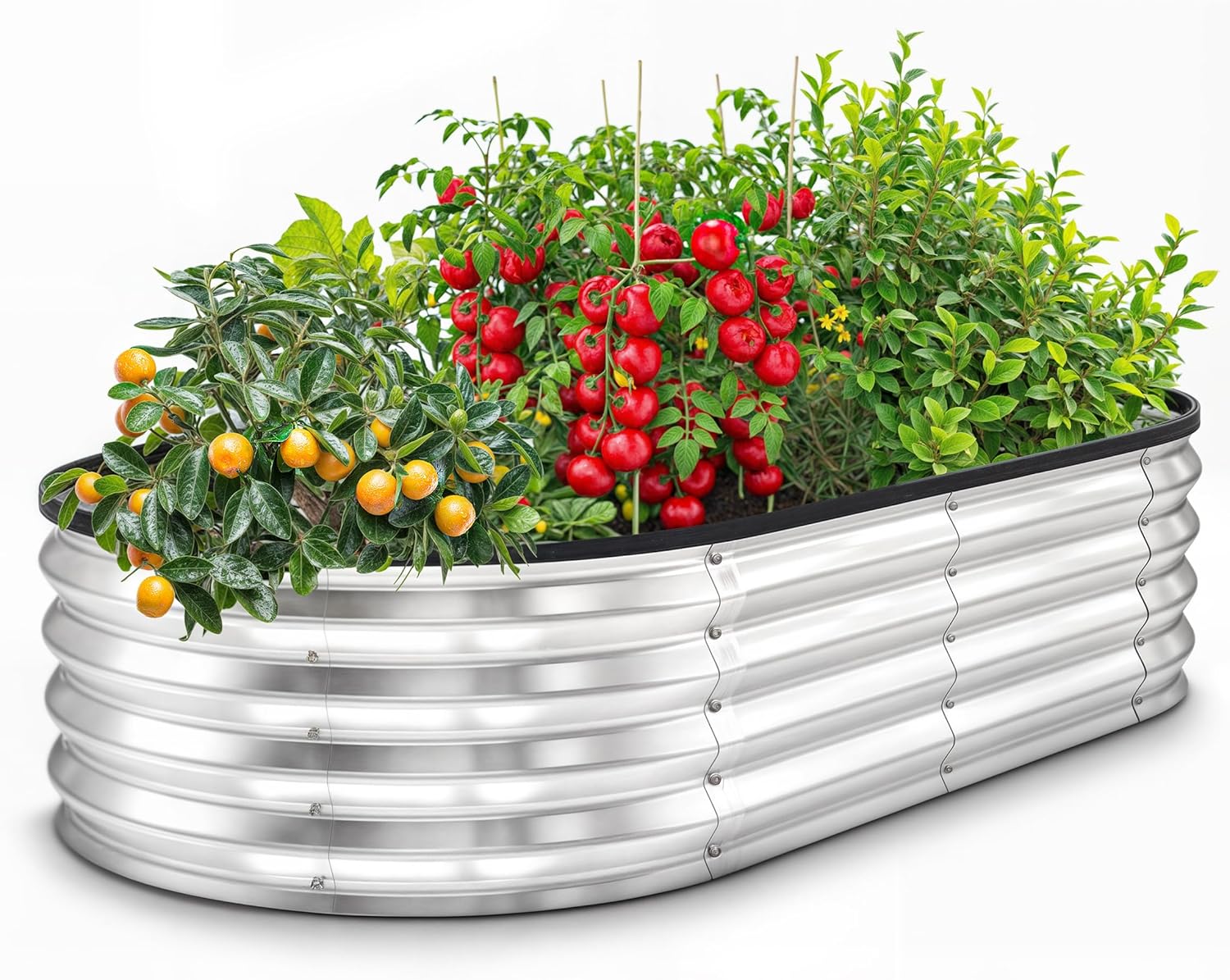
Indoor or outdoor gardening – specifically seed planting, pruning, pinching off spent blooms, and repotting – provides ideal physical and mental stimulation.
- For the Joins: Gardening is one of the only hobbies on this list that combines fine motor work (planting seeds, pruning, deadheading) with functional grip and light resistance work (digging, pulling weeds, turning soil) – making it a more complete hand workout that mirrors real-world grip demands like opening jars or carrying groceries.
- For the brain: Gardening requires ongoing planning and monitoring over time – remembering watering schedules, tracking plant growth, diagnosing problems – which exercises long-term memory and executive planning differently than a single-sitting activity like a puzzle. It also has some of the strongest documented mood benefits of any hobby on this list, with multiple studies linking regular gardening to lower rates of depression in older adults.


A gentle hand warm-up increases circulation, lubricates finger joints with synovial fluid, and reduces stiffness – making fine motor hobbies much more comfortable.Follow this simple step-by-step routine before starting crafts, playing instruments, or handling game pieces:
1. Warm Water Soak:Do this for 2 to 3 minutes first if your hands feel stiff.Submerge both hands in a bowl of comfortably warm (not hot) water. Gently open and close your hands underwater. The thermal heat relaxes surrounding tendons and increases blood flow before movement.
- Slowly extend your fingers wide open, spreading them apart comfortably without forcing. Hold for 3 seconds.
- Gently curl your fingers into a loose fist with your thumb on the outside. Hold for 3 seconds.
- Release back to a relaxed flat hand.
3. Finger Taps (Coordination & Mobility):Repeat 3 times per hand.Place your palms flat on a table or resting on your lap.
- Touch the tip of your thumb to the tip of your index finger to form an “O” shape.
- Open your hand, then touch your thumb to your middle finger.
- Continue sequentially to your ring finger and pinky finger.This activates individual finger mobility and prepares the hand for pinching and gripping.
4. Wrist Circles:5 rotations in each direction.Hold your hands up with elbows loosely bent near your sides.
- Gently make loose fists.
- Rotate your wrists in slow, smooth circles clockwise 5 times.
- Reverse and rotate counterclockwise 5 times.
5. Finger Web Stretch:Hold for 5 seconds per web space.
- Interlace your fingers together in front of your chest.
- Gently press your palms outward away from your body until you feel a light stretch along the palm and finger joints.
- Breathe deeply and hold without bouncing, then relax.
Tips for Best Results
- Never push into pain:Movements should feel like a mild, comfortable stretch. If a joint aches, reduce the range of motion.
- Pacing:Perform these warm-ups for 3 to 5 minutes before engaging in activities like knitting, piano playing, or puzzle building.