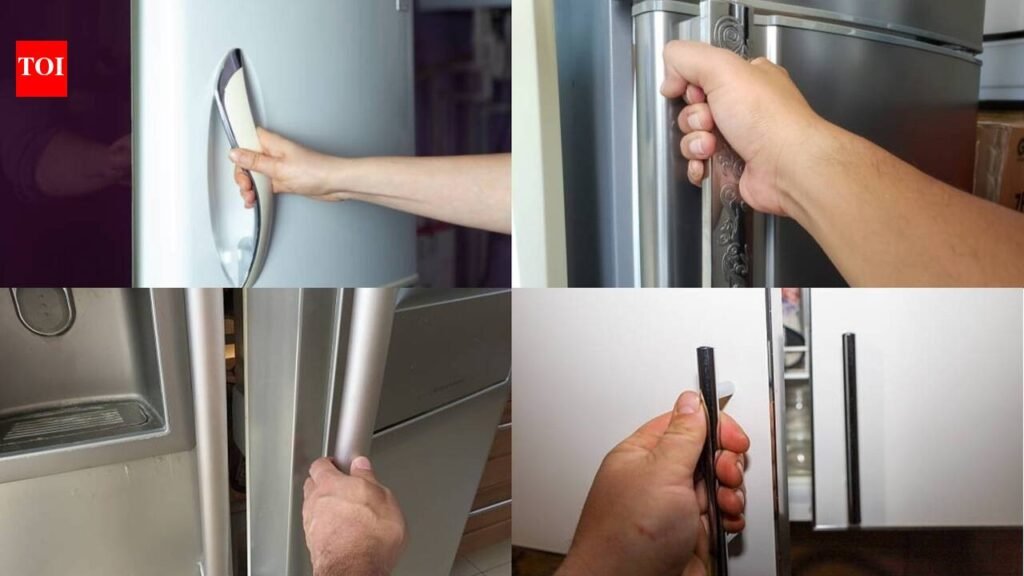

Of all the surfaces in a kitchen, the fridge handle might be the most touched and the least cleaned, grabbed dozens of times a day between cooking, unpacking groceries, and reaching for a midnight snack, yet rarely wiped down the way a countertop or stove gets attention. That constant contact is exactly why it turns tacky faster than almost anything else in the house, and reaching for a harsh chemical spray isn’t actually necessary to fix it. A handful of simple, natural ingredients already sitting in most kitchens handle the job just as well. Here’s what’s actually going on, and what genuinely works.
Why fridge handles get sticky in the first place
The stickiness rarely comes from one single spill, it builds gradually from several things happening at once. Cooking grease floats through the air during frying or sautéing and settles invisibly onto nearby surfaces, the fridge handle included, especially in kitchens where the fridge sits close to the stove. Over time, that airborne residue mixes with natural oils from hands, dust, and the occasional food smear, hardening into the tacky film most people only notice once it’s already annoying to touch. Handles closer to the cooking area tend to need attention more often than ones tucked away from the heat.
The daily habit that prevents most of the problem
Before reaching for anything stronger, the simplest fix is also the most effective one long-term. Wiping the handle down with a soft microfiber cloth, warm water, and a single drop of mild dish soap takes less than a minute and stops oils from ever getting the chance to harden in the first place. Drying the surface completely afterwards matters too, since leftover moisture can lead to streaking or water spots, particularly on stainless steel. Making this part of a quick daily kitchen wipe-down, rather than an occasional deep clean, is genuinely the difference between handles that stay clean and ones that need real scrubbing every few weeks.
White vinegar for grease and germs
For handles that have already gone past the daily-wipe stage, a fifty-fifty mix of white vinegar and water does real work. Its natural acetic acid cuts through grease effectively without damaging most fridge finishes, and vinegar carries genuine antibacterial properties against common foodborne germs, a useful bonus given how often hands touch this exact spot before and after handling food. Spray it on, let it sit for ten to fifteen minutes, then wipe clean with a soft cloth, following the grain if your fridge has brushed stainless steel, to avoid leaving faint streak marks behind. It’s worth noting vinegar’s fumes can be mildly irritating in an unventilated space, so cracking a window while using it is a reasonable precaution.
Baking soda paste for stubborn, set-in grime
When vinegar alone doesn’t fully shift the buildup, a thick paste of baking soda and a little water gives you extra scrubbing power for genuinely stubborn spots. Apply it directly to the sticky area, let it sit for ten to fifteen minutes, then gently work it in with a soft cloth or an old toothbrush for grooves and seams, rinsing thoroughly afterwards. One caution worth knowing: some appliance manufacturers specifically advise against using baking soda on stainless steel exteriors, since it can be mildly abrasive on certain coatings, so it’s worth testing on a small, hidden spot first or checking your fridge’s care instructions before going over the whole handle.
Keeping handles from getting sticky again
Prevention ultimately matters more than any single cleaning trick. Running your kitchen’s exhaust or vent hood while cooking meaningfully cuts down on how much grease ends up airborne and settling on nearby surfaces in the first place, and keeping that quick daily wipe-down habit going means you’re rarely dealing with more than light, fresh residue rather than weeks of hardened buildup. Once a handle is properly clean, a few seconds of maintenance a day is genuinely all it takes to keep it that way.
Disclaimer:
This article is intended for general informational purposes only. Always check your refrigerator manufacturer’s care instructions before using baking soda, vinegar, or other cleaning agents on the exterior finish, and test any new cleaning method on a small, hidden area first.