
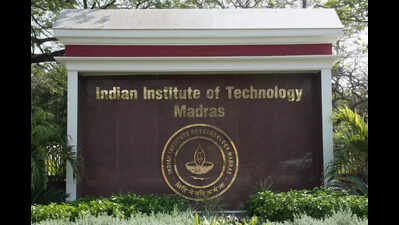
Chennai: Indian Institute of Technology-Madras (IIT-M) released the country’s first comprehensive genome database for leukaemia, colorectal, and pancreatic cancers — a move scientists say can reshape cancer research, drug development, and therapy.Although one in nine Indians is likely to develop cancer in their lifetime and 2.5 million people in the country were living with the disease, the country was under-represented in global cancer genome studies, scientists said.
Data show there is a 12.8% increase in cancer incidence in India every year since 2022. In the absence of genomic architecture of cancers prevalent in India, specific genetic variants from Indian cancers are not adequately captured and catalogued for any diagnostic kits and drug development.To fill the gap, IIT Madras initiated the Bharat Cancer Genome Atlas, an effort to map the genetic mutations underlying cancers common among India’s diverse populations. As part of the Bharat Cancer Genome Grid (BCG) project, whole genome sequencing of leukaemia, colorectal, and pancreatic cancer patient samples is publicly accessible to researchers worldwide at bcga.iitm.ac.in, IIT-M Director V Kamakoti said on World Cancer Day.Led by the institute’s Centre of Excellence on Cancer Genomics and Molecular Therapeutics, the project received 56 crore in funding from Hyundai Motor India Foundation under its Hyundai Hope for Cancer initiative. Collaborators include Mumbai-based Karkinos Healthcare and city hospitals including the Kanchi Kamakoti Childs Trust Hospital, Institute of Child Health, Rajiv Gandhi Govt General Hospital, and Kumaran Hospital.This dataset fills a critical gap in understanding the genomic landscape of Indian cancers. “The database will identify cancer-specific biomarkers in India, which will enable early detection of cancers. It will also help in developing new drugs that are more effective for population-specific personalised treatment strategies for India,” said IIT-M’s Centre of Excellence on Cancer Genomics and Molecular Therapeutics head professor S Mahalingam.