It’s been a busy fortnight for reform in Australia, with major changes spanning gambling advertising, the National Disability Insurance Service (NDIS), wages, media, and national security.
Here are six of the biggest developments—and what they involve.
Gambling Ad Reform
The Interactive Gambling Amendment (Gambling Reform) Bill 2026 will ban wagering ads during live sporting broadcasts, in venues, and on players’ uniforms.
Athletes, celebrities and influencers will also be banned from promoting betting.
Restrictions will also apply to how many gambling ads can be shown on television, while radio ads will be banned during school drop-off and pick-up times.
Related Story

“These laws deliver meaningful protections for Australians experiencing gambling-related harm, including relief from the bombardment of wagering advertisements in sport and strong restrictions on predatory inducements,” Communications Minister Anika Wells said.
However, independent Senator David Pocock—a former Australian rugby player—called for the reforms to go further, accusing the government of not introducing evidence-based reform.
“This legislation fails on so many different levels,” he said.
“The system is so broken, it’s no wonder we’re the biggest losers in the world per capita.”
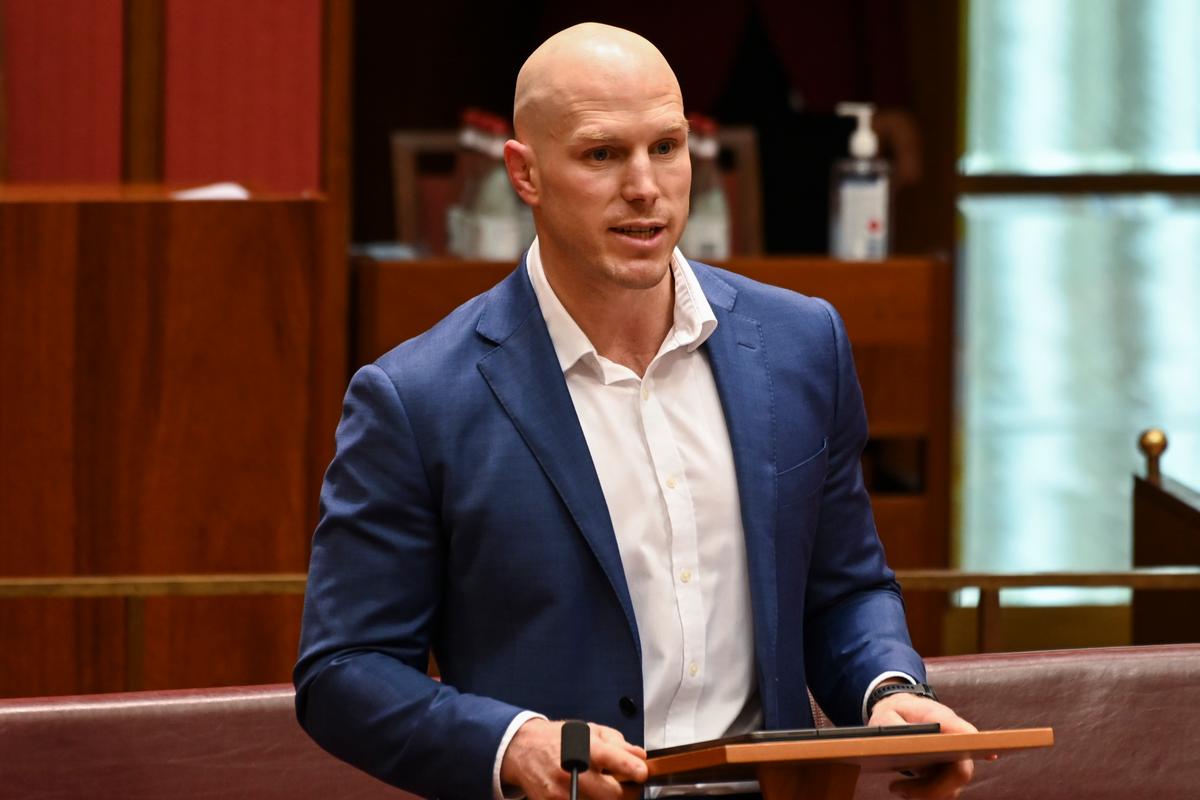
Senator David Pocock speaks during question time at Parliament House in Canberra, Australia, on July 28, 2022. Martin Ollman/Getty Images
Spy Agency Gains Broader Questioning Powers
The Australian Security Intelligence Organisation (ASIO) will have broader powers when it comes to questioning adults, after the Australian Security Intelligence Organisation Amendment Bill (No. 2) 2025 successfully passed the Senate.
Coalition senators abstained from the vote, however, centre-right Liberals Alex Antic and Andrew McLachlan voted against the reforms.
Greens Senator David Shoebridge claimed the laws would see people “plucked” off the street and detained for questioning, while One Nation’s Roberts said he felt the legislation should zero in on the threat of Islamic extremism.
Labor Senator Nita Green maintained her support for the reforms.
“The director general of security stated … that Australia is now facing multifaceted, merging, intersecting, concurrent, and cascading threats, and ASIO needs the powers to ensure that they can protect Australians from the threats to security,” she said.
Media Bargaining Rules
The Incentive replaces the previous News Media Bargaining Code and will affect Google, Meta (which owns Facebook and Instagram), TikTok, and LinkedIn.
Professor Derek Wilding, co-director of the Centre for Media Transition at the University of Technology Sydney, supported the initiative.
“The scheme will almost certainly have a positive impact for the larger media companies that employ the most journalists,” he told The Epoch Times.

A man holds a phone displaying the Facebook app, in this file photo, on Aug. 11, 2024. Oleksii Pydsosonnii/The Epoch Times
NDIS Set to Cut Over 240,000 People
The NDIS will also only apply to those with permanent conditions, and children with autism and/or developmental delays will be moved to a separate government program.
The reforms are expected to see almost a quarter of a million people removed.
Advocacy groups such as People with Disability Australia described the move as “devastating” and called for clarity over how people will be managed.
The government says it is investing in alternative programs to help patients.
“Most participants and providers will not see any immediate changes and do not need to do anything differently now,” a government statement noted.
Childcare Worker Pay Increase Locked In
A 15 percent increase in early childhood educator wages has been locked in after, “The Wage Justice for Early Childhood Education and Care Workers (Special Account) Act 2024,” was successfully amended.
“When combined with our support for minimum wage rises, this will mean $255 more per week for a typical full-time educator and $410 more per week for early childhood teachers, compared to before the program started,” Education Minister Jason Clare said.
Over 80 percent of eligible services are now receiving the payment.
The Coalition has said it supports the move in principle but maintains concerns over how the policy will affect early childhood education providers now and into the future.
Senate Backs Hanson’s Terror Bill Inquiry
The bill aims to adjust current laws that allow citizens, who have committed crimes overseas like fight for terrorist groups, to return home.
“This legislation is based on the principle of keeping Australians safe from people who would do them harm,” she told the Senate.
“We are acting where the Labor government is refusing to act.”
The move has been opposed by some including Greens Senator Shoebridge, who maintains anyone linked with terrorism who has offended overseas should return to face justice on Australian soil.